
Nicknamed the Evergreen State, Washington is known for its green forests of firs and cedars. But come autumn, larches, maples, and aspens explode into fiery canopies of crimson, golden yellows, and bright oranges across the state.
Thanks to abundant trails and roadways, there are plenty of options to get out and enjoy fall foliage. While the exact timing for fall foliage depends on elevation, location, and tree species, fall color in Washington generally appears from mid-September to early November. For the best chance of seeing vibrant colors, aim for mid-October.
Fall Foliage Hikes in Washington
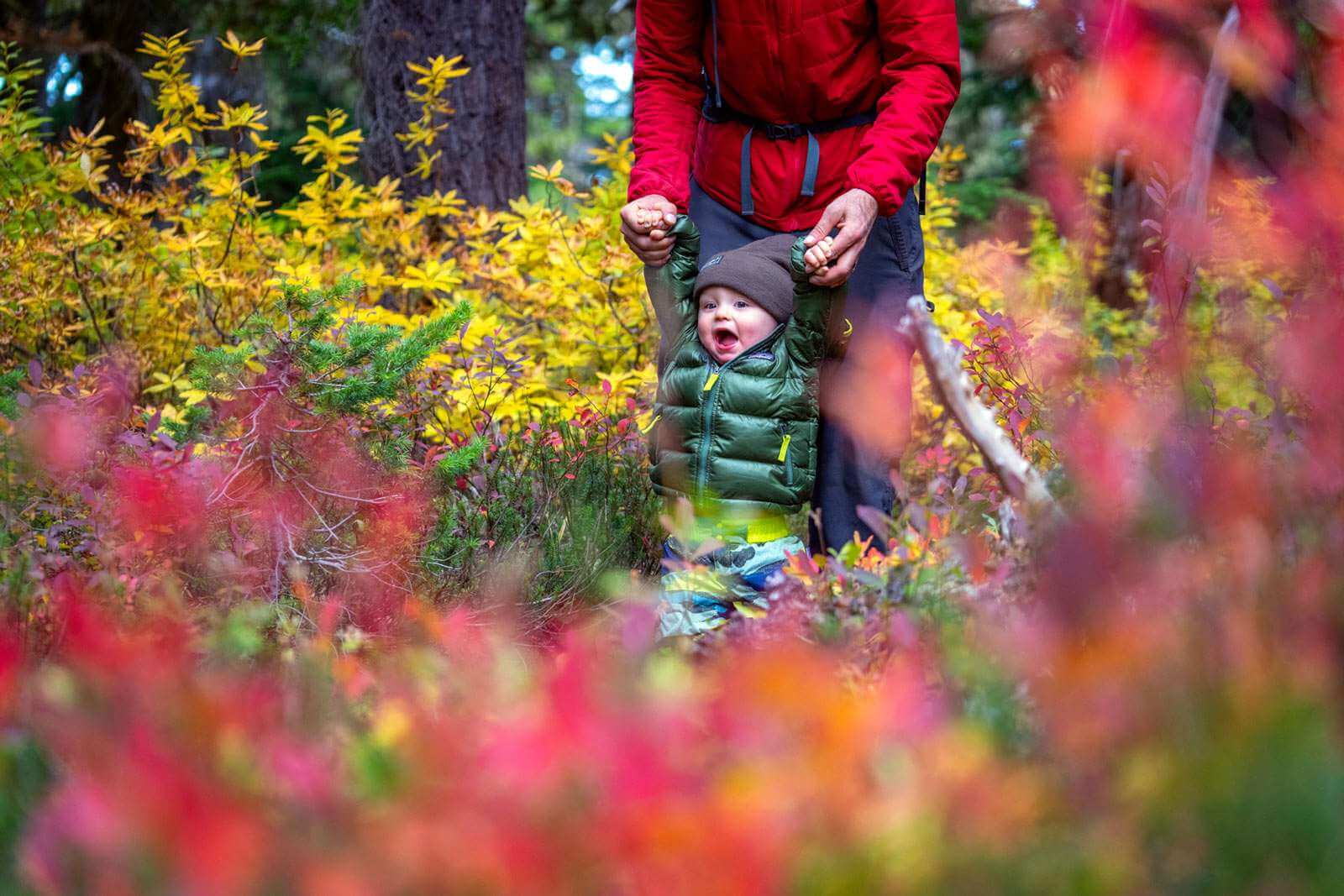
Iller Creek, Spokane
5 miles | 1,200 feet elevation gain
This loop trail in Dishman Hills Conservation Area has expansive views of the changing season across Spokane Valley, Steptoe Butte, Mica Peak, and the Palouse. Rocks of Sharon, a group of impressive granite boulders, mark the halfway point. Along the way, cottonwoods, aspens, and deciduous shrubs such as snowberry, ocean spray, and serviceberry ignite with color. Take the trail counterclockwise for the best views.
Sullivan Lakeshore, Colville National Forest
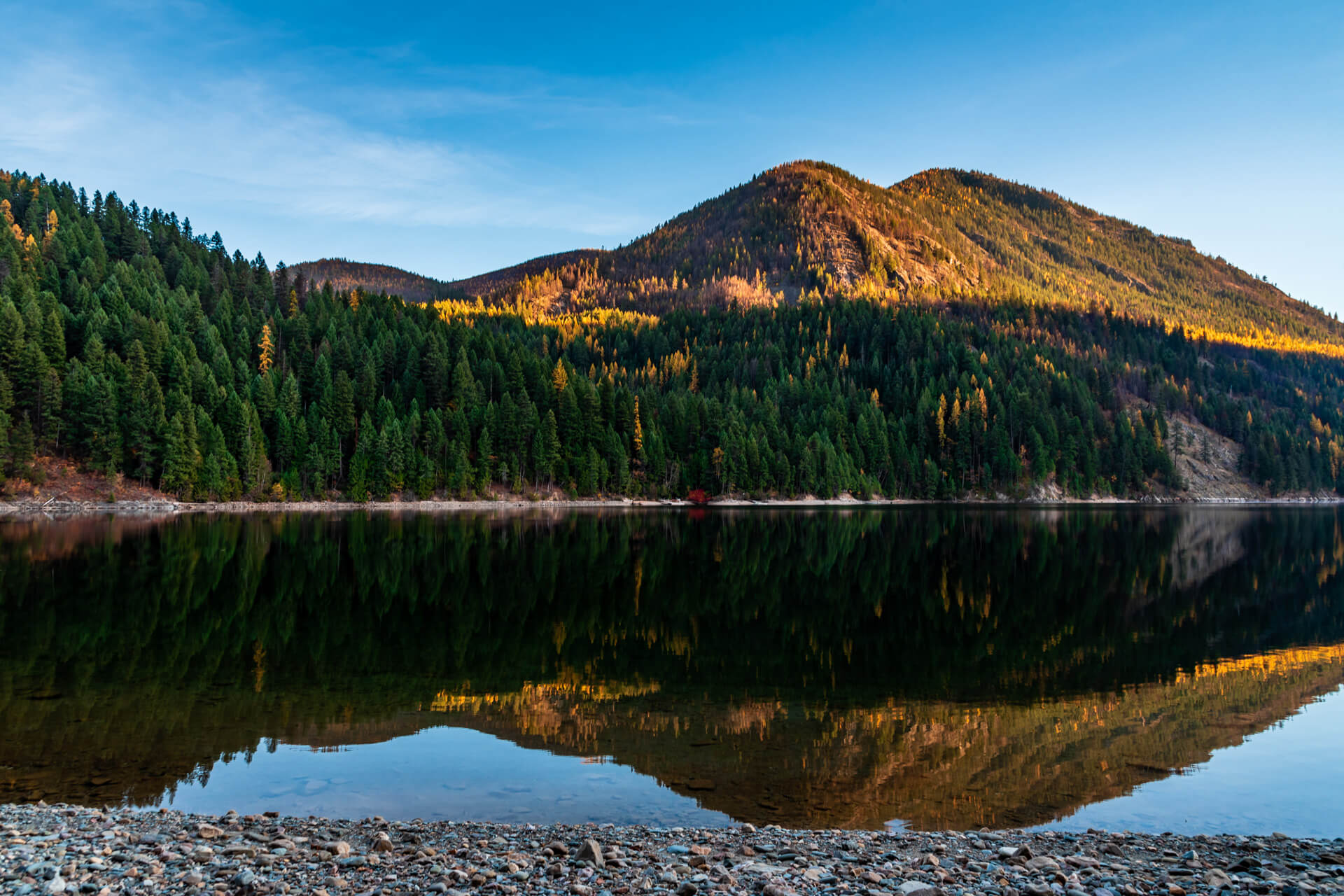
8.2 miles | 250 feet elevation gain
Hikers flock to Sullivan Lake in Colville National Forest for its Western larches and their riot of yellows and gold, but aspens, hemlocks, and birch are also on display. The out-and-back trail from Sullivan Creek Campground to Noisy Creek Campground cruises by picturesque beaches with mountain views. Extend your visit with a fall drive along the North Pend Orielle Scenic Byway.
Washington Park Arboretum Loop Trail, Seattle
2.5 miles | 150 feet elevation gain
For an urban option for fall color in Washington, head to the Washington Park Arboretum in Seattle. The arboretum offers a map that highlights the most vibrant fall trees, and there’s an interactive version for mobile devices as well. The Loop Trail hits most of the highlights: sour gum, buckeye, sorrel, strawberry trees, mountain ash, witch hazel, and more. Plus, the Woodland Gardens are home to one of the largest collections of Japanese maples in North America, which blaze scarlet red in fall. Limited free parking is available at the Graham Visitors Center and the Japanese Garden.
Lake Ingalls, Alpine Lakes Wilderness
Travel Advisory: As of late August 2026, the trail is closed due to the Three Queens Fire. Check current conditions with the Washington Trails Association and the U.S. Forest Service before planning a fall visit.
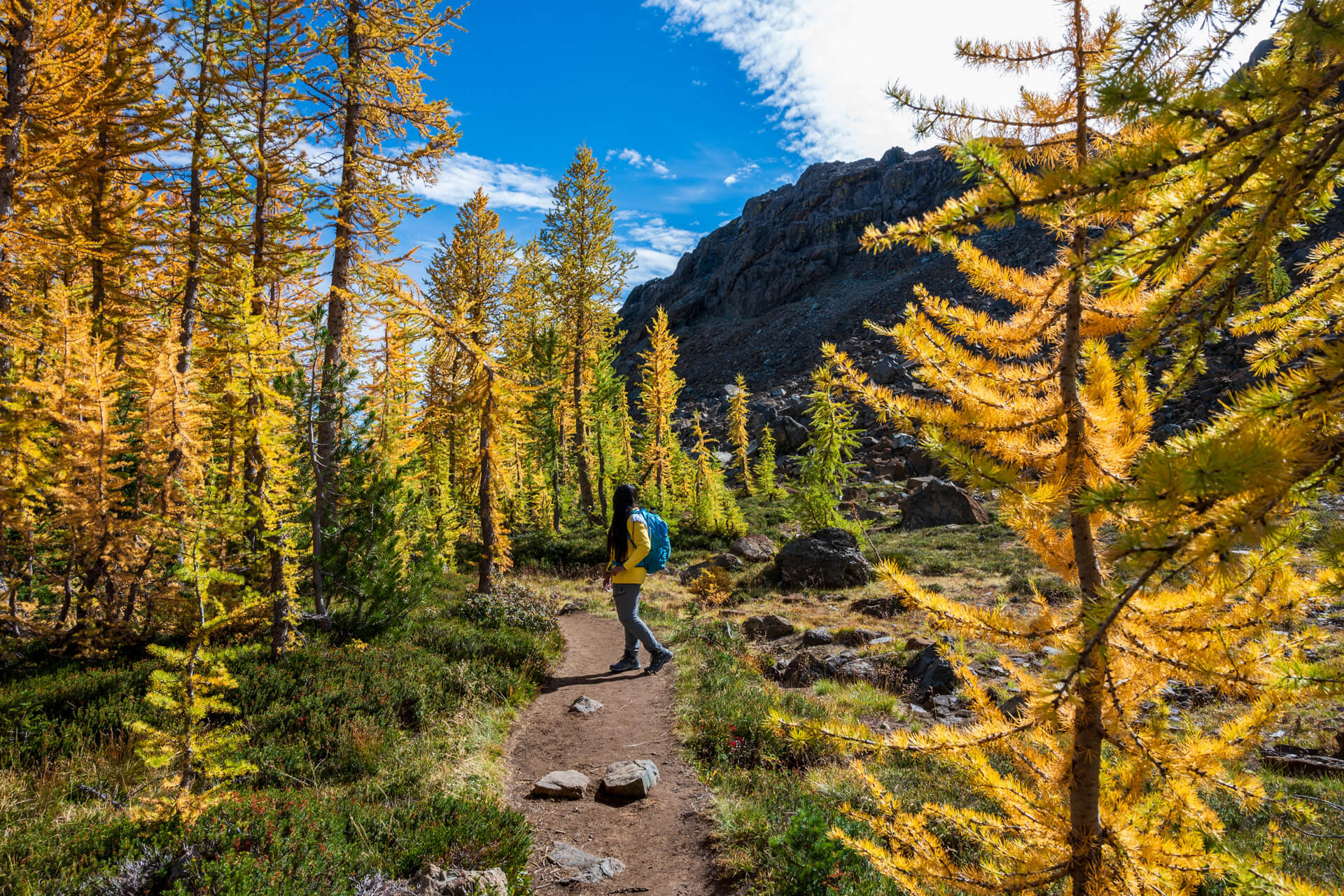
9 miles | 2,500 feet elevation gain
Surrounded by jagged peaks, the Lake Ingalls trail delivers sweeping views year-round. Come autumn, larch trees transform into electric oranges and yellows, creating a magical display of fall color. A Northwest Forest Pass or an America the Beautiful pass is required to park. Tip: This is a popular trail during fall foliage season, so aim to visit mid-week and arrive early.
Yellow Aster Butte, Mount Baker Wilderness
7.5 miles | 2,550 feet elevation gain
One of the best hikes for fall color in Washington, this popular out-and-back trail in the Mount Baker Wilderness traverses the south-facing alpine slopes of the High Divide. The path rewards hikers with views of many jagged peaks, including Mount Baker, Mount Larrabee, and Mount Shuksan. During autumn, vivid oranges, reds, and yellows blanket the hillsides. A Northwest Forest Pass is required. Tip: Aim to arrive early in the day or visit mid-week. A high-clearance vehicle is recommended.
Naches Peak Loop, Mount Rainier
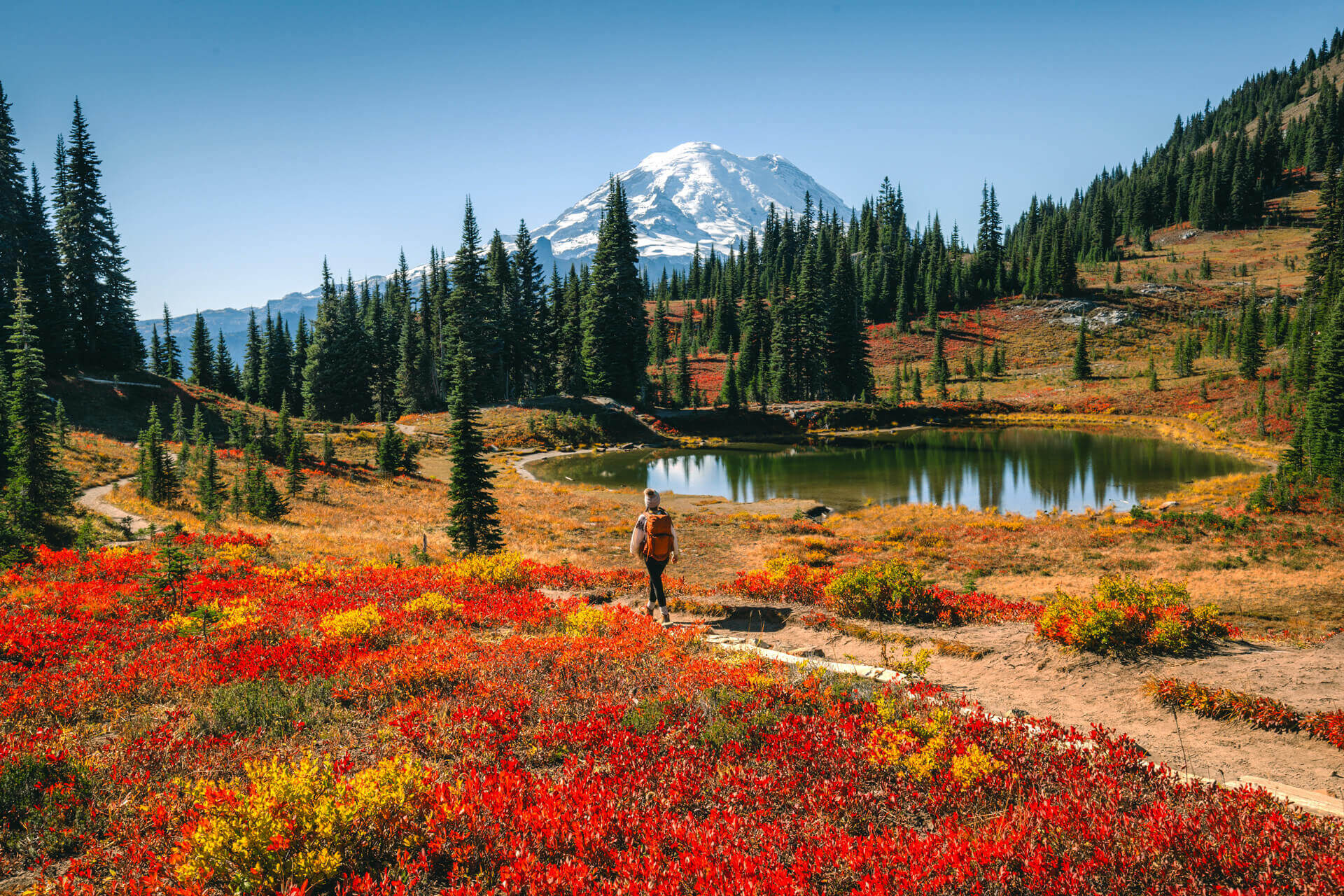
3.2 miles | 600 feet elevation gain
This short loop is a lot of alpine bang for your buck, with lakes, grassy meadows, and spectacular Mount Rainier panoramas. Low-lying shrubs like huckleberry bushes and vine maples steal the show, carpeting the mountainside with vibrant reds, deep purples, and golden yellows. Ashes, larches, and cottonwoods are also on display. Hike clockwise for the best views.
Fall Bike Rides
Yakima Greenway Trail
This paved, 20-mile path for bikes and pedestrians connects Union Gap, Yakima, Selah, and Naches. It’s a great option for the whole family, as you can do as much or as little of the path as you like. Maple, cottonwood, sumac, and vine maples line the path, and playgrounds, parks, nature trails, and protected natural areas make for stellar stops if you want to linger. Right off the trail at Sherman Park is the Yakima Area Arboretum. In autumn, the arboretum comes alive with vibrant oak, maple, Hawthorne, and beech trees.
Also See: Experience Fall in Wine Country
Methow Valley, Carlton to Winthrop
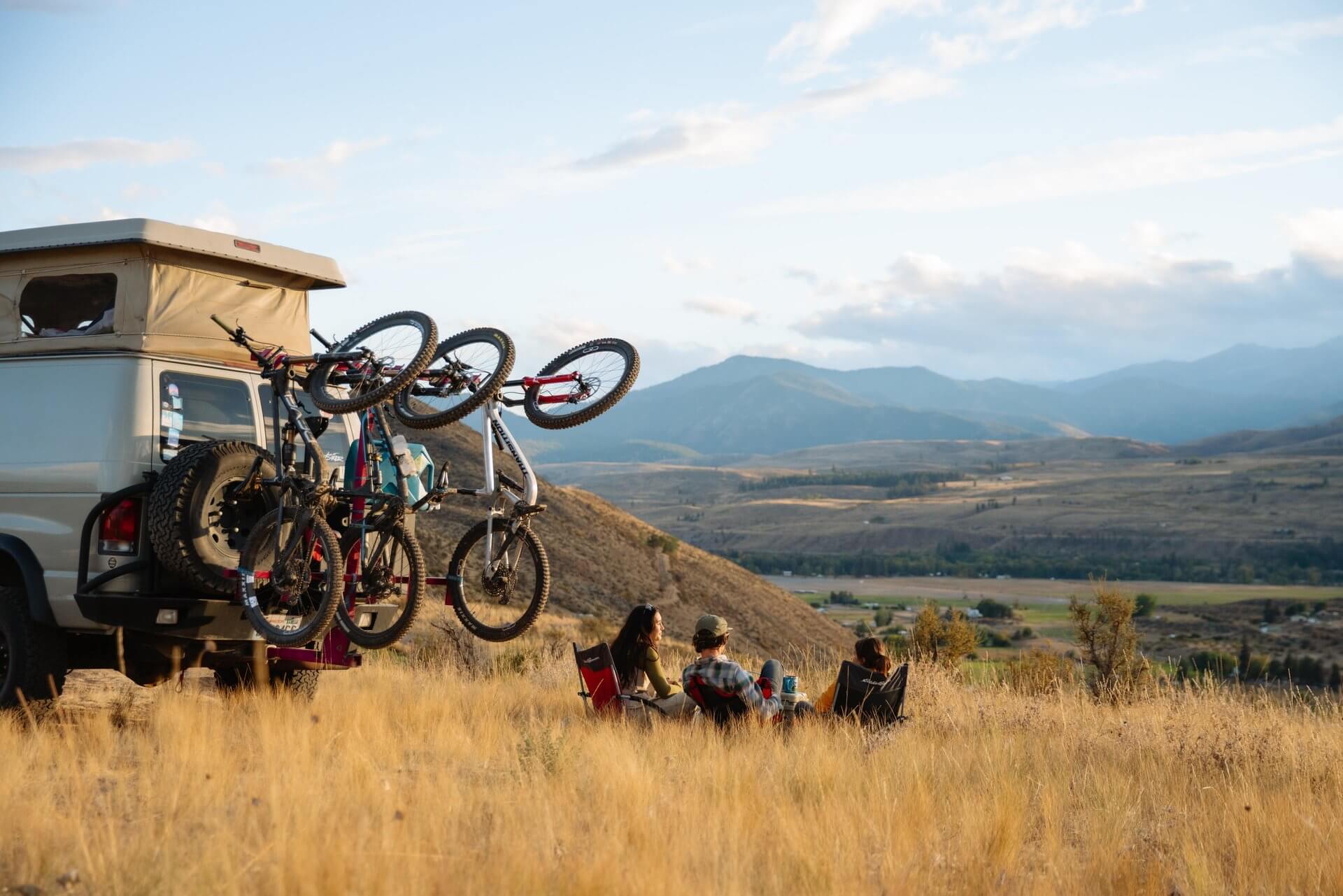
Fall carpets the Methow Valley with an array of reds, oranges, and yellows. Take in the colors while riding the lightly trafficked Winthrop-Twisp Eastside Road, which meanders past a patchwork of ranches. Then follow the Twisp-Carlton Road, a byway snaking between the Methow River and the Okanogan National Forest. This relatively flat route gives cyclists plenty of delicious refueling options in Winthrop, Twisp, and Carlton.
Tieton River Nature Trail, Yakima
If you want a mountain biking adventure in the Yakima area, head to this 8.2-mile out-and-back ride. In the fall, brilliant cottonwoods, sumacs, aspens, and vine maples deck the trail. Park at the Oak Creek Wildlife Area off Highway 12, and cross the pedestrian bridge over the river to the trail. Cruise under towering canyon walls, across sagebrush flats, and by the Royal Columns, which are popular with rock climbers. A Discover Pass is required to park. There is no automated pay station, though passes can be purchased online.
Palouse to Cascades State Park Trail, Snoqualmie Pass area
The Palouse to Cascades State Park Trail runs 250 miles from North Bend to the Idaho border. For great fall views, opt for a 24-mile, out-and-back section from the Hyak Sno-Park near Snoqualmie Pass. The route heads east along scenic Keechelus Lake, ending at Lake Easton State Park. The packed gravel rail trail allows cyclists to take in the changing season with no traffic. In addition to vivid fall colors, riders will get stellar views of lakes and mountains. A Discover Pass is needed to park at Hyak Sno-Park. An automated pay station is also on site.
Scenic Fall Drives
Highway 2: Stevens Pass Greenway to Leavenworth
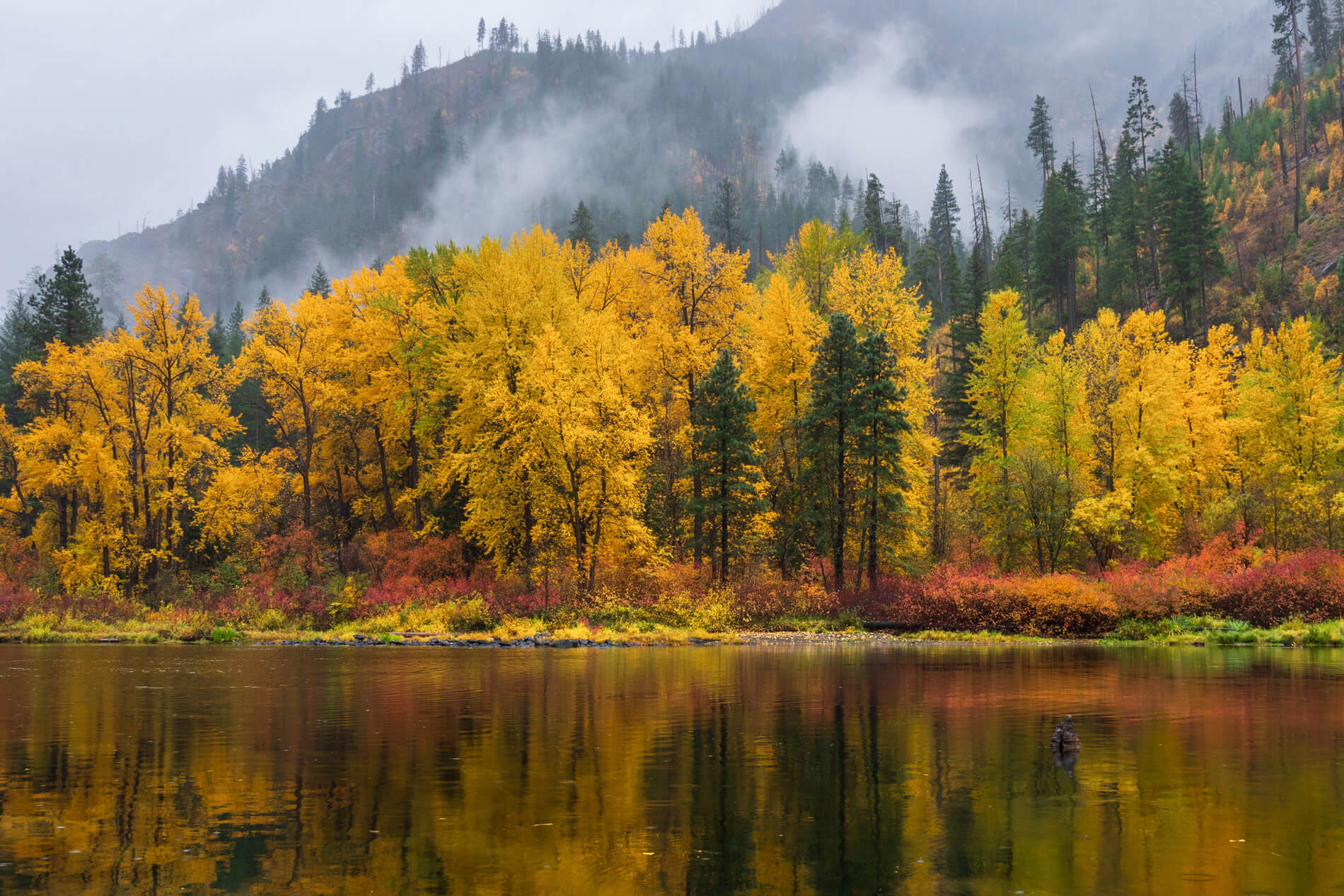
Length: About 100 miles
From Everett, follow the Skykomish River on the Stevens Pass Greenway as it winds through the western slopes of the Cascade Mountains. The route crests Stevens Pass and heads down through scenic Tumwater Canyon, a showcase of blazing vine maples, scarlet dogwoods, and yellowy orange cottonwoods. For enthusiastic leaf peepers, be sure to stop in Leavenworth during its annual Autumn Leaf Festival in September.
Chuckanut Drive Scenic Byway
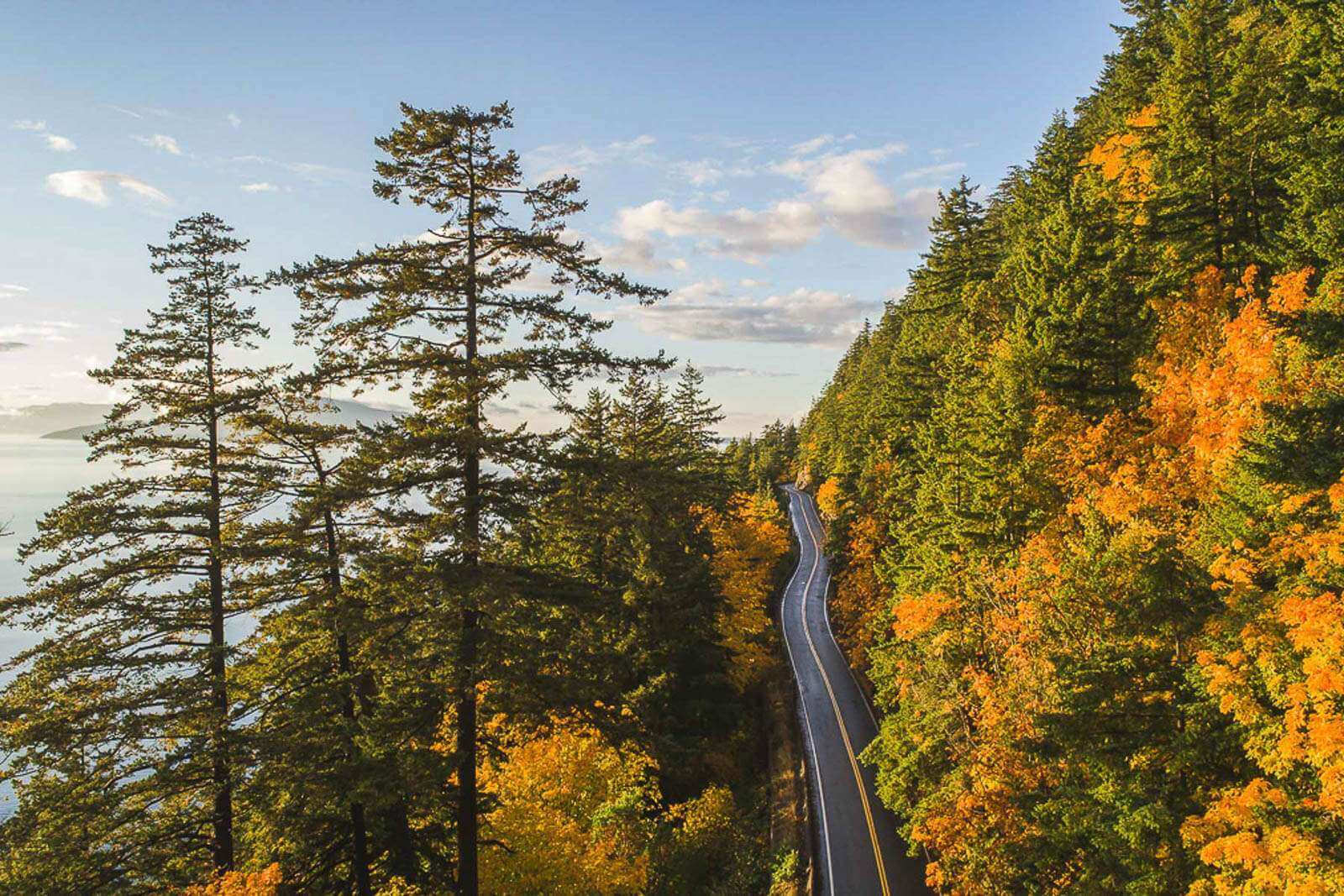
Length: About 21 miles
Curvy Chuckanut Drive runs from Burlington to Bellingham, passing through farmland before winding along the Chuckanut Mountains’ sandstone cliffs. This short drive is a great easy way to spot fall color in Washington. Fiery maples, vine maples, and alders crowd this ribbon of highway, which offers sweeping views of the water and San Juan Islands. Make a day of this drive, slurping oysters and enjoying the tidepools and views of Samish Bay at Larrabee State Park.
Also See: Discover More Fall Drives in Washington
Columbia River Gorge Scenic Byway, Highway 14
Length: About 90 miles
The Columbia River Gorge is a spectacular sight year-round with its waterfalls and craggy basalt ranges towering over its shores. But come fall, the turning leaves make it even showier. Drive the winding Columbia River Gorge Scenic Byway, stopping to hike the switchbacks at Beacon Rock State Park for stunning views. Along the way, visit local wineries, stop into museums, and more as you explore from Camas to Maryhill.
Also See: Gorge to Coast Road Trip
About the Author
Ellee Thalheimer is a freelance writer and guidebook author based in the Pacific Northwest who has contributed to publications like Lonely Planet Guidebooks, Alaska Airlines Magazine, and Adventure Cyclist Magazine. When she can’t get outside, she writes fiction, drinks local IPAs, and perfects her handstands.
Featured image: Courtesy of Bellingham Whatcom County Tourism