
Visiting Mount Rainier National Park
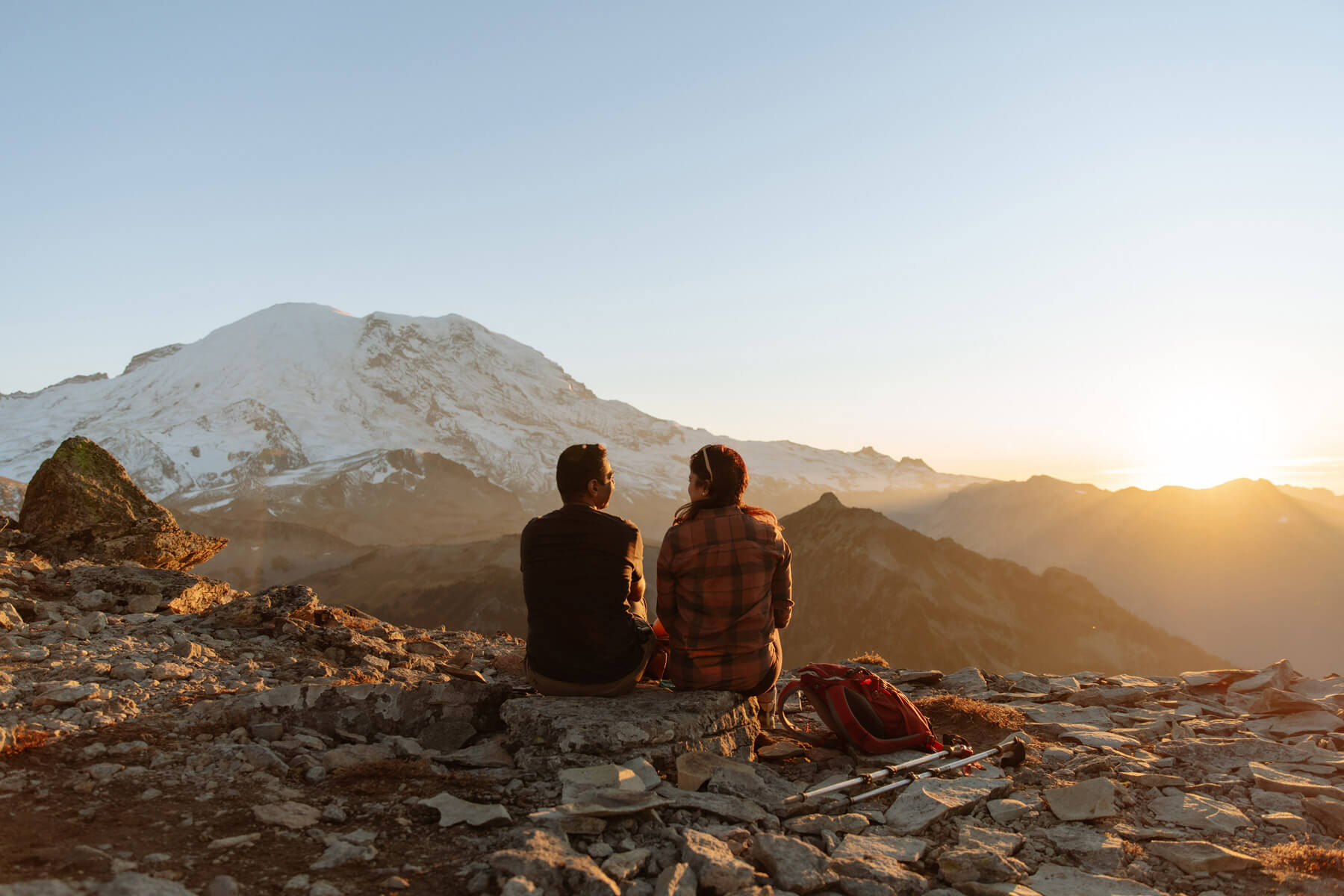
Towering 14,410 feet above sea level, Mount Rainier is a state icon. An active volcano, the mountain is also the most glaciated peak in the contiguous United States. From hiking among wildflowers in the summer to snowshoeing and skiing in the winter, the park is a year-round recreational paradise.
With multiple entrances and a myriad of sights and activities to choose from, it can be tricky knowing where to start. Read on to make the most of your visit.
Getting to Mount Rainier National Park
Several major cities, including Seattle, Tacoma, Yakima, and Olympia, are within 200 miles of the park. Those coming from Seattle can usually reach the park in about 2.5 hours. While there are multiple entrances, the Nisqually Entrance on the southwest side is the only entrance open year-round. This is where you’ll find Paradise, which is famous for its glorious views and wildflower meadows.
Travel Tip: Note that using GPS to search for the entrance will often lead you astray. The park service recommends this exact address: 39000 State Route 706 E, Ashford, WA 98304.
From the northeast, visitors can access the Sunrise area via the White River Entrance off State Route 410.
The closest international airports are Seattle-Tacoma (SEA) and Portland, Oregon (PDX). Yakima Air Terminal, to the east of the park, is also served by major airlines.
To avoid peak crowds, plan your visit for early in the day during the week in summer or during the shoulder months in spring and fall. July and August see longer waits, busy trails, and limited parking. Check the National Park Service for more tips on avoiding summer congestion, and be sure to also check for any road closures before heading out.
Travel Advisory: Highway 165 Carbon River/Fairfax Bridge is closed to vehicles and pedestrians until further notice. Due to the closure, there is no access to Carbon River and Mowich Lake, although the gateway communities of Enumclaw, Wilkeson, Carbonado, and Buckley are still accessible and welcome visitors. Check for updates here.
Things to Do in Mount Rainier National Park
Hiking
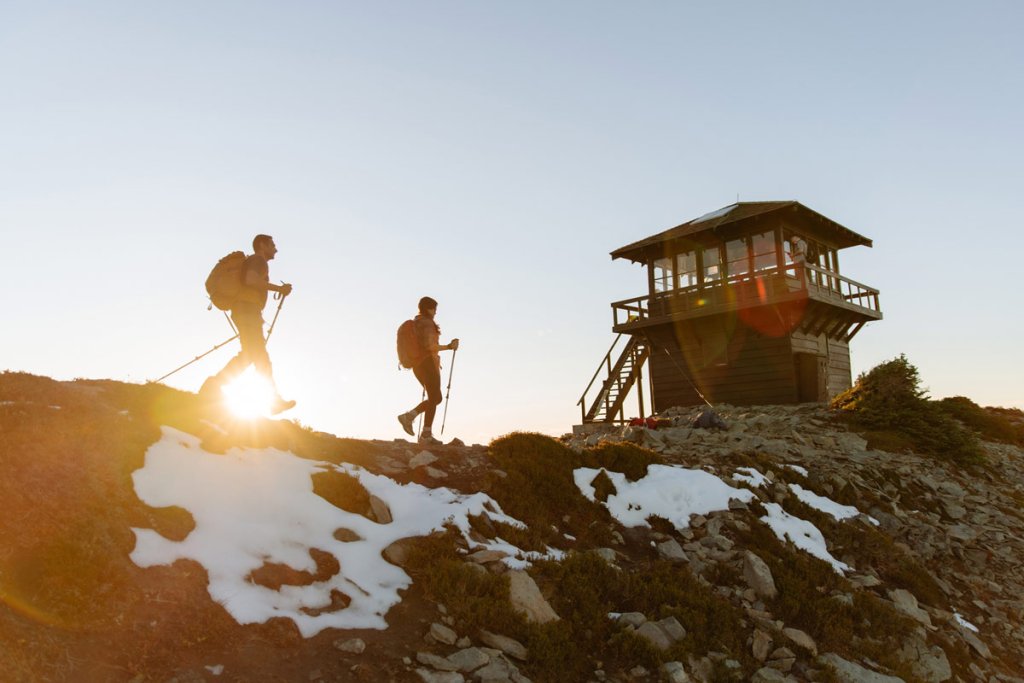
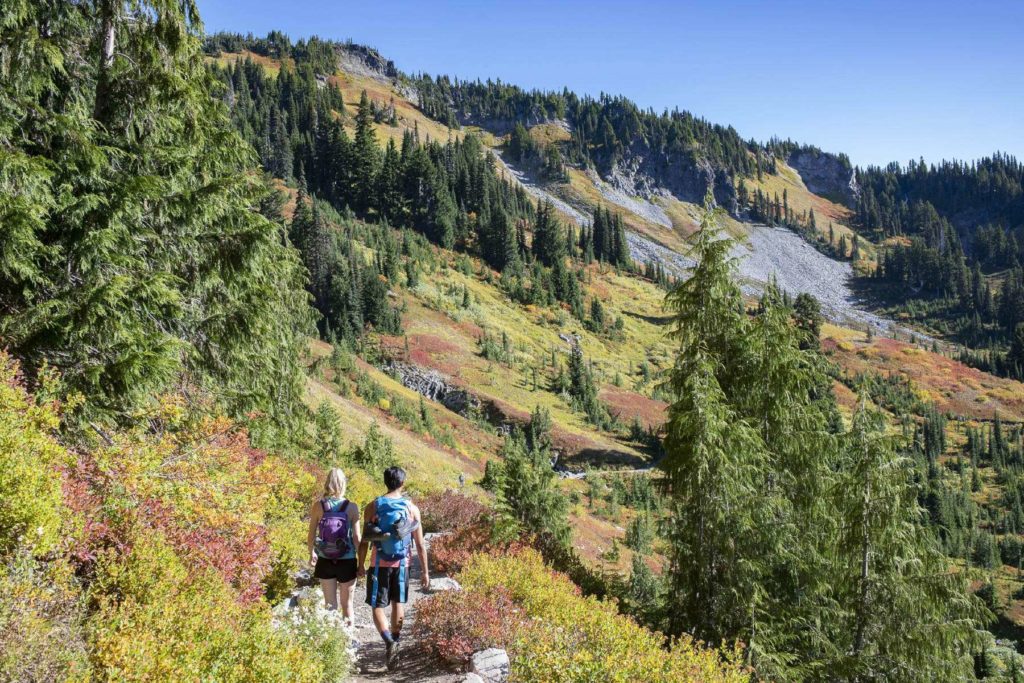
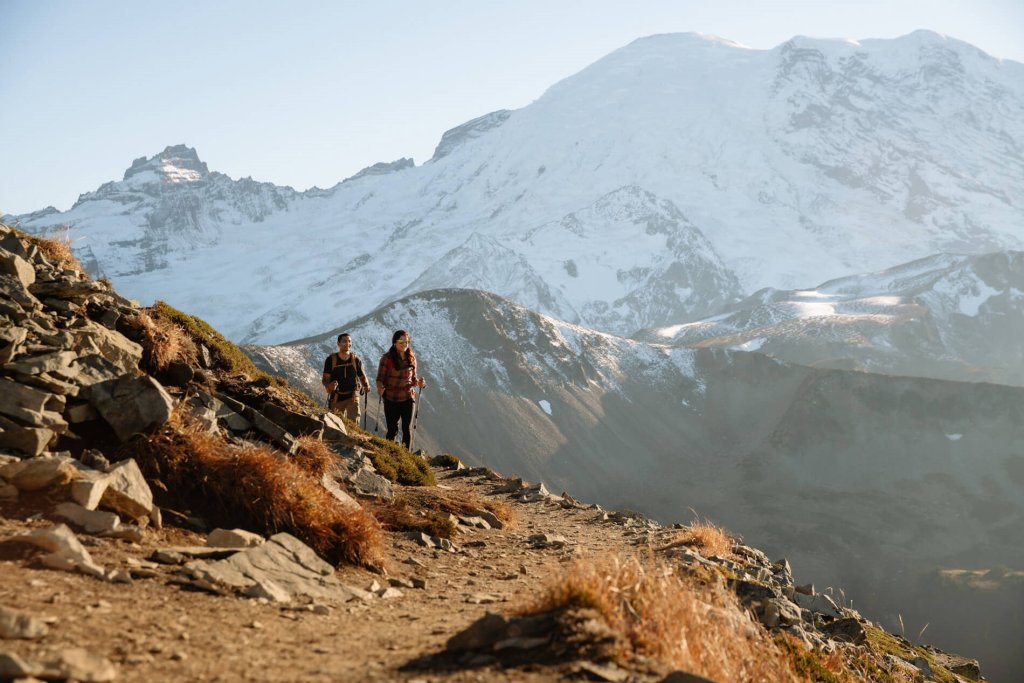
Boasting more than 260 miles of maintained trails winding through everything from old-growth forests to high subalpine meadows, Mount Rainier National Park offers tons of day hikes. Visitors will find everything from short family-friendly trails to strenuous hikes leading to waterfall views. Even a portion of the Pacific Crest Trail weaves in and out of park’s boundary along the eastern side.
Those looking to sleep under the stars in the backcountry must obtain a permit for the park’s many wilderness backpacking sites. The popular Wonderland Trail, a 93-mile trail that encircles the mountain, offers 18 trailside camps and three non-wilderness camps. Due to high demand during the summer, reserving a wilderness permit is highly recommended.
Climbing
As the most heavily glaciated peak in the contiguous United States, Mount Rainier draws thousands of people each year who hope to ascend the volcano. There are more than 20 climbing routes and ski descents via four main trailheads. Climbers must obtain a climbing permit in person and pay the annual climbing fee. Learn more about climbing.
Wildflowers
Mount Rainier is home to hundreds of species of wildflowers. Some of the best viewing opportunities can be found at Sunrise and Paradise, which are famous for their impressive meadows that break into a riot of colorful blooms during July and August. The park maintains dozens of trails perfect for wildflower viewing, just be sure to prepare yourself for crowds during the peak summer season.
Winter Recreation
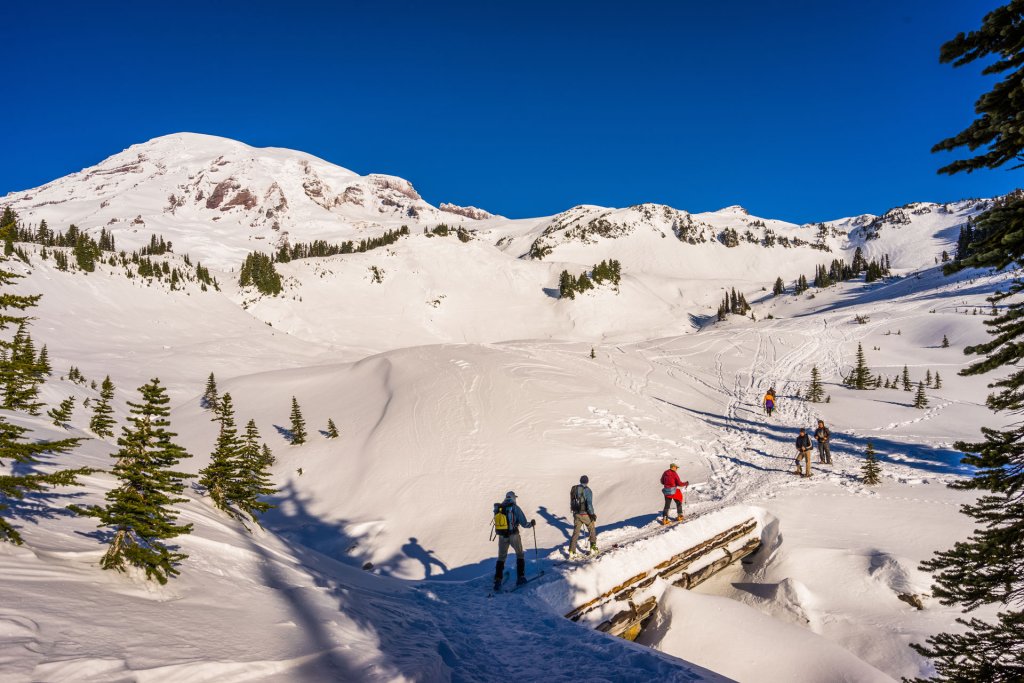
Mount Rainier is a popular winter recreation destination thanks to abundant snowfall and fantastic views. Visitors can enjoy many winter activities, from snowshoe walks to snowmobiling.
Where to Stay near Mount Rainier
Mount Rainier Campgrounds
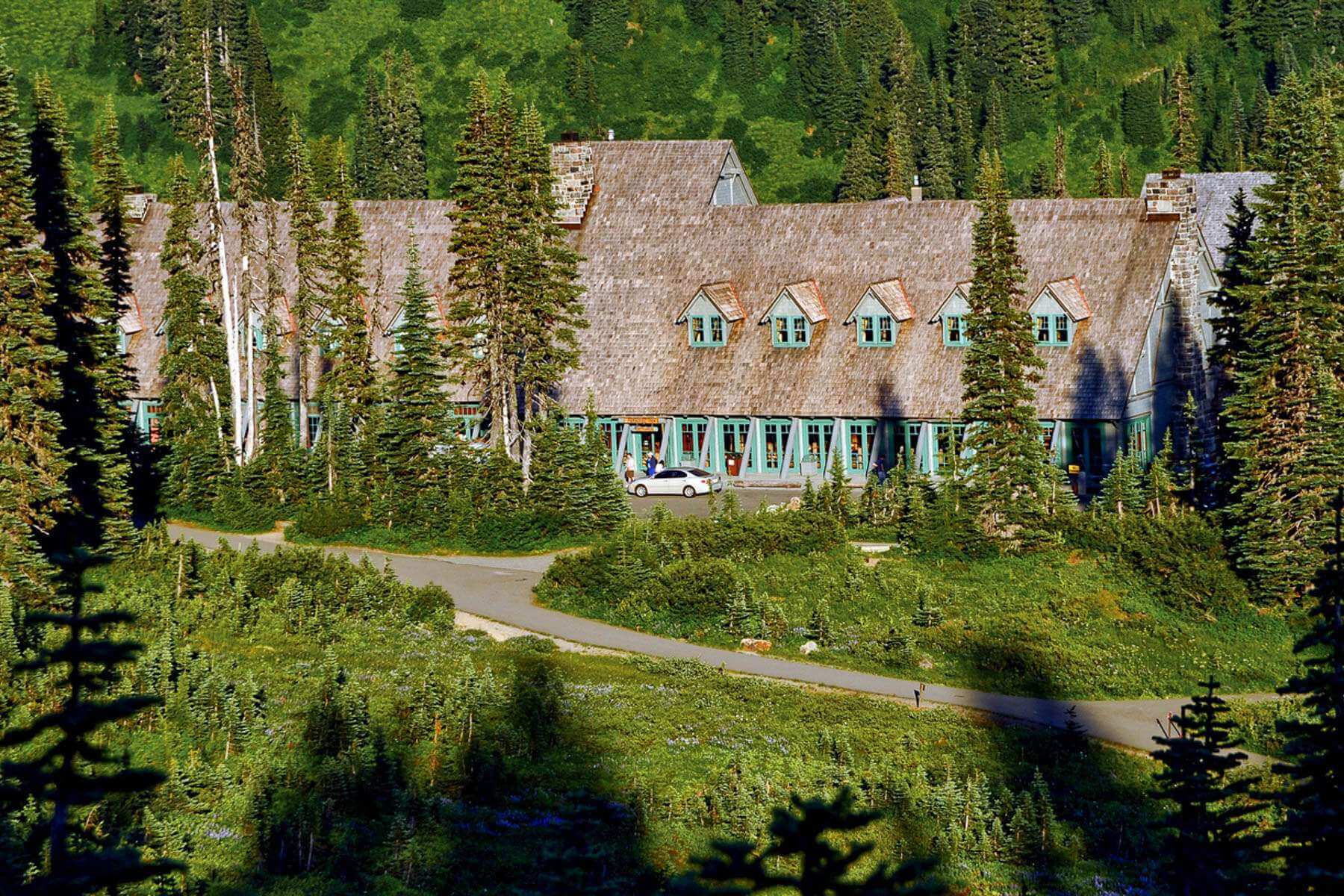
Mount Rainier National Park operates three campgrounds that are open seasonally: Cougar Rock, Ohanapecosh, and White River. Mowich Lake offers a small primitive campground for tents only. There are also numerous wilderness camping sites. Be sure to book early to secure your spot.
Mount Rainier Lodges
In addition to campgrounds, there are also two historic lodging options in the park. Paradise Inn opened in 1917 and offers 121 guest rooms, a dining room, and its own gift shop. Located at Paradise, the inn is open seasonally and offers easy access to hiking trails. In the Longmire Historic District, National Park Inn offers 25 rooms, a casual restaurant, and a general store located in a vintage 1911 log cabin.
Nearby Communities
Gateway communities surrounding the area make a great base for a day of exploring. You’ll find an exhaustive list of lodging options, from affordable roadside motels to charming country inns and cabins.
- Ashford: Just minutes from Mount Rainier National Park’s only year-round entrance (and access to Paradise and Longmire), Ashford makes a great base for visitors arriving from the west side of the park. Enjoy local shops, galleries, parks, family-friendly eateries, and lodging options. Multiple cabins are available nearby. Unwind in nature with modern amenities at Fjellsangin, a private Nordic-inspired luxury cabin. Nearby, Stormking Cabins boast a handful of yurt-style cabins perfect for couples.
- Buckley: The small town of Buckley boasts a historic main street, access to outdoor recreation, and plenty of dining options, including an old-fashioned drive in. Immerse yourself in local history at the Foothills Historical Society Heritage Center and Museum or time your visit for June to attend the annual Buckley Log Show. Find a Buckley itinerary here.
- Carbonado: Once a coal town, Carbonado retains its rustic charm and serves as a quiet base for exploring the Carbon River Valley near Mount Rainier National Park. Stroll the main streets to view some of the original houses, stop into the Carbonado Saloon or hike the Foothills Trail from Carbonado to Wilkeson. The trail follows an old railroad grade through second-growth woodland.
- Crystal Mountain: Here you’ll find Crystal Mountain Resort, home to the highest elevation dining experience in all of Washington, as well as seasonal hiking, horseback riding, scenic gondola rides, skiing, snowboarding, and snowshoeing. Due to its popularity, lodging books up early for summer stays.
- Elbe: This small town is big on trains. Here, visitors can dine in a train car or stay overnight in a caboose. The Elbe foothills offer trails for ATVs and horseback riding.
- Enumclaw: The largest gateway community near the park, Enumclaw is a historic logging town with plenty to do. Wander the charming downtown with its boutique shops and eateries, sip wine at a tasting room, enjoy an outdoor concert at the nearby White River Amphitheatre, and more. Those looking for scenic drives or fall foliage can depart for a road trip along the Chinook Scenic Byway.
- Packwood: Base yourself in Packwood for access to the nearby Ohanapecosh entrance on State Route 123 in the southeast corner of the park.
- Wilkeson: A former coal-mining town turned outdoor gateway, Wilkeson charms with its sandstone buildings and 19th-century architecture. Take a step back in time and explore the historic elementary school, coke ovens, the Bacon and Egg Skate Park, and more.
Additional Resources
For more inspiration, check out VisitRainier.com or the national park website. In addition to lodging and helpful tips, you’ll find everything you need to book your trip or find the perfect hike or attraction.