
Shellfish harvesting in Washington is a beloved tradition, from digging razor clams along the Pacific Coast to gathering oysters from quiet bays. With a license and some planning, visitors can experience the state’s seafood bounty for themselves.
Beyond hands-on shellfish harvesting, Washington’s annual seafood festivals and Shellfish Trail offer even more ways to enjoy the state’s maritime flavors.
Shellfish Harvesting in Washington at a Glance
- What you can harvest: Primarily oysters, mussels, clams, and Dungeness crab.
- When to go: Seasons vary by species and location. Low tides generally offer the best access for harvesting clams and oysters.
- Where to go: Public harvesting can be found along the Pacific Coast, Hood Canal, and Puget Sound, depending on seasons and safety closures.
- What you need: Most recreational harvesting requires a Washington fishing or shellfish license, along with species-specific gear.
- Before you go: Check both the Washington Department of Fish and Wildlife (WDFW) and Department of Health (DOH) for seasons and safety information. Review current tides and harvest regulations, including catch limits. Visit Discover West Coast Seafood for more helpful info on where, how, and when to find fresh seafood.
Where to Harvest Shellfish in Washington State
Oysters
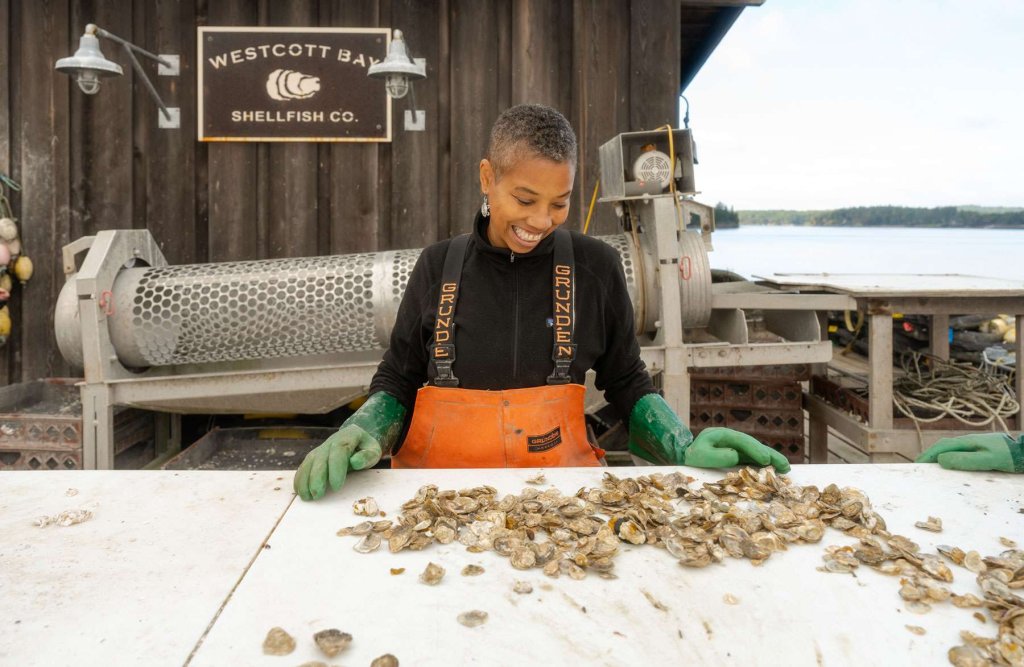
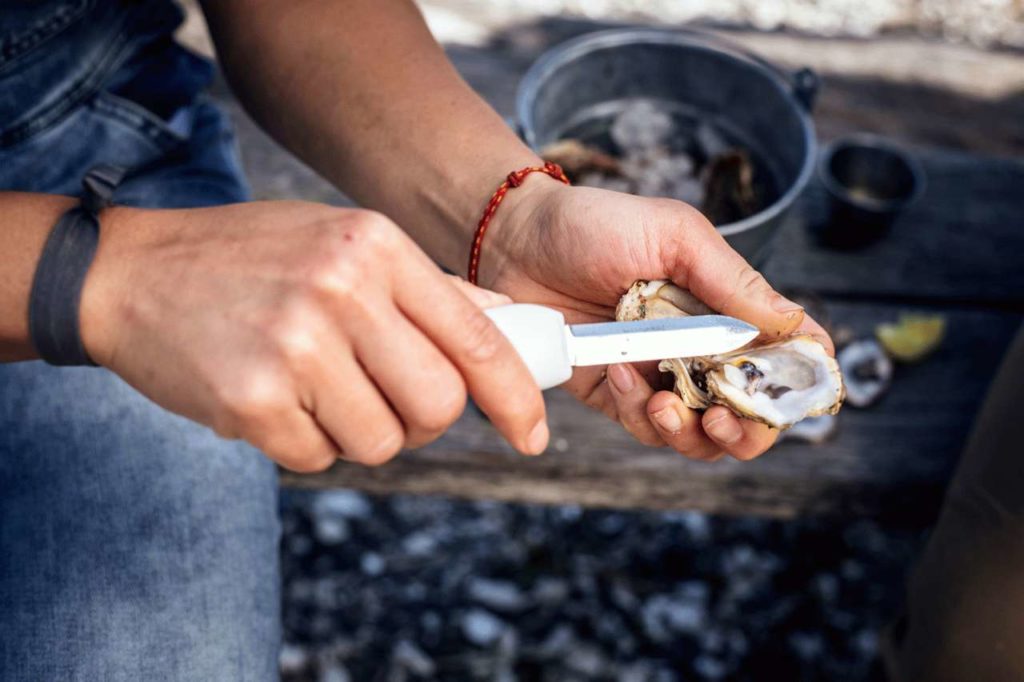
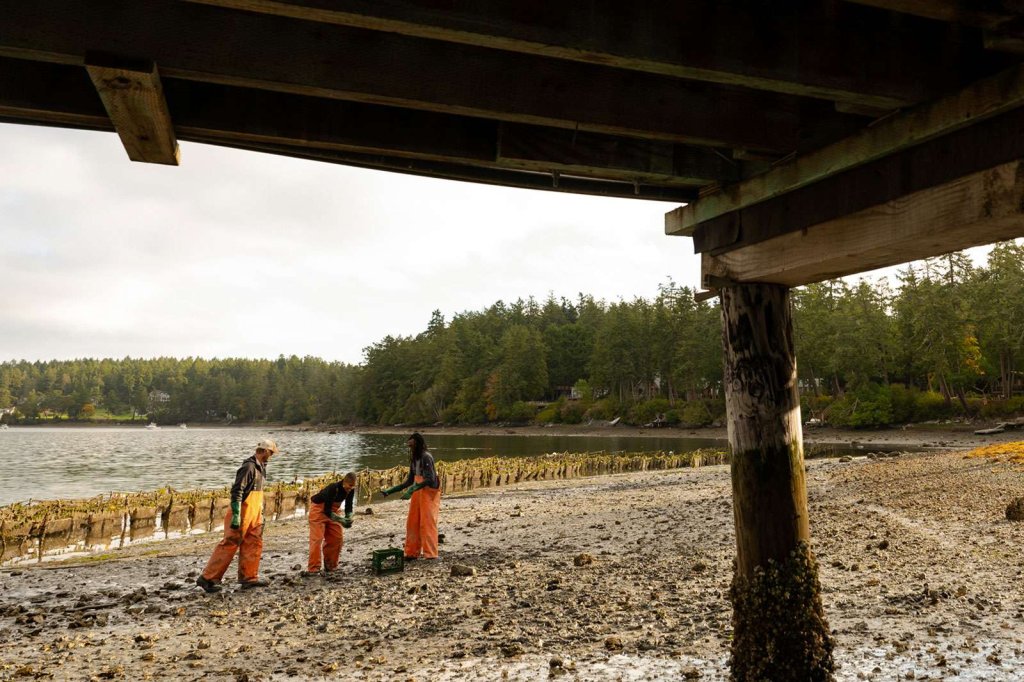
There’s nothing quite like prying open an oyster and slurping the briny bivalve while sitting on a gorgeous Washington beach. In Willapa Bay on the southern coast, harvest oysters year-round in the Nahcotta Tidelands. In August, celebrate Willapa Bay oysters, which account for 25% of national consumption, at the Jazz and Oysters festival on the Long Beach Peninsula. To learn about oyster farming and shuck and taste your bounty, reserve a tour at Oysterville Sea Farms.
In Hood Canal, consider staying the night in Lilliwaup at Olympic Oyster Co.’s waterfront cabins or glamping tents. Nearby, you can slurp fresh oysters at Hama Hama Oyster Saloon on the tide flats. Time your visit for their annual spring Farm Day to harvest your own oysters and clams.
At Westcott Bay Shellfish Co.‘s The Tide Tables restaurant (open seasonally) on San Juan Island, staff will show you how to shuck your own raw oysters fresh from the bay. While you can’t harvest them yourself, watching farmers pluck plump oysters as you dine on the deck is the next best thing.
For more shellfish fun, head to Shelton’s annual OysterFest in October. The event draws locals and visitors alike for shellfish-focused festivities, including its much-anticipated oyster shucking competition.
Seasons, Licenses, and Regulations:
- While March and April are considered some of the best months, oyster harvesting can be done year-round in some areas.
- Warm summer water increases the risk of Vibrio bacteria in oysters. Check the DOH Shellfish Safety Map the day you harvest, keep shellfish cold, and follow DOH handling and cooking recommendations.
- Check both WDFW and DOH for seasons and safety info.
- Harvest during low tides, shuck on site, and leave the shells where they were found.
- A shellfish/seaweed or combination fishing license is required.
- The limit is 18 oysters per person per day, with shells at least 2.5 inches long.
Also See: Salish Sea Oyster Road Trip
Dungeness Crab
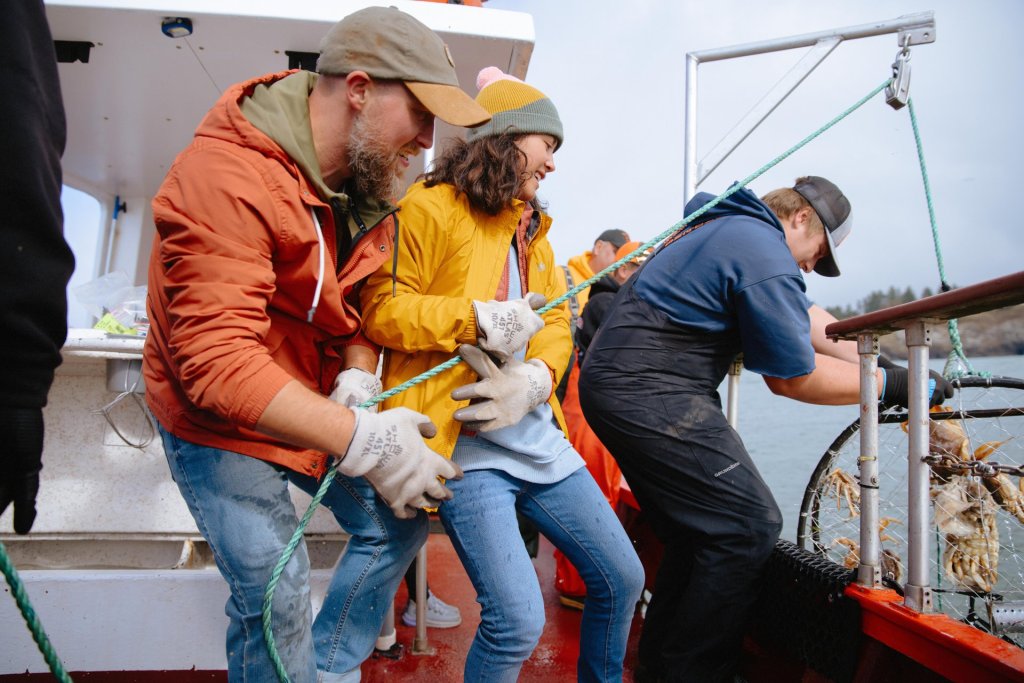
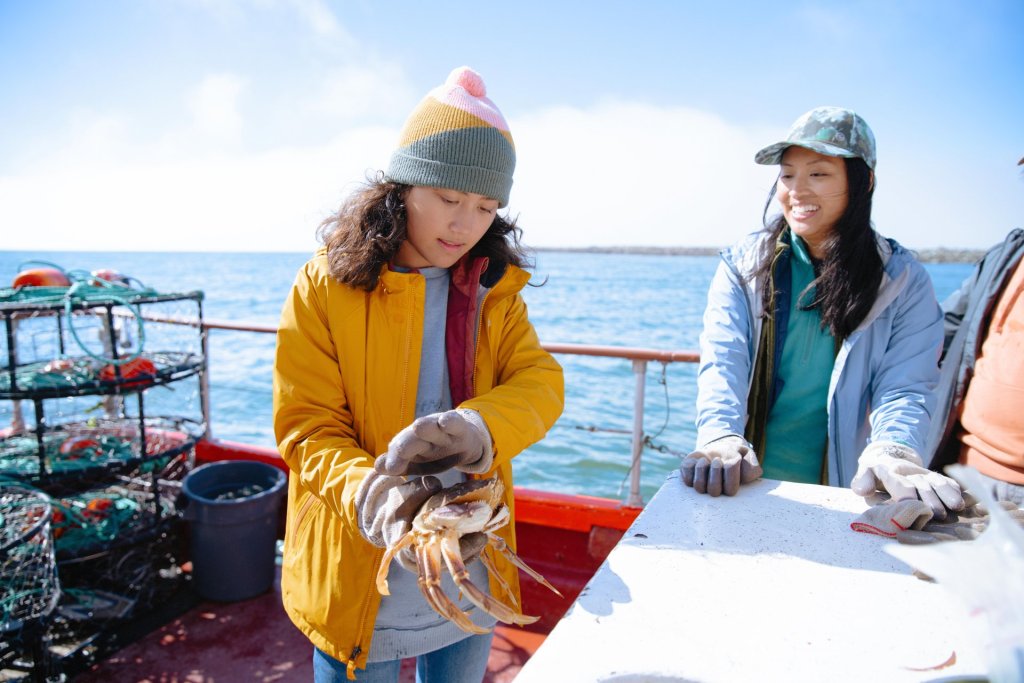
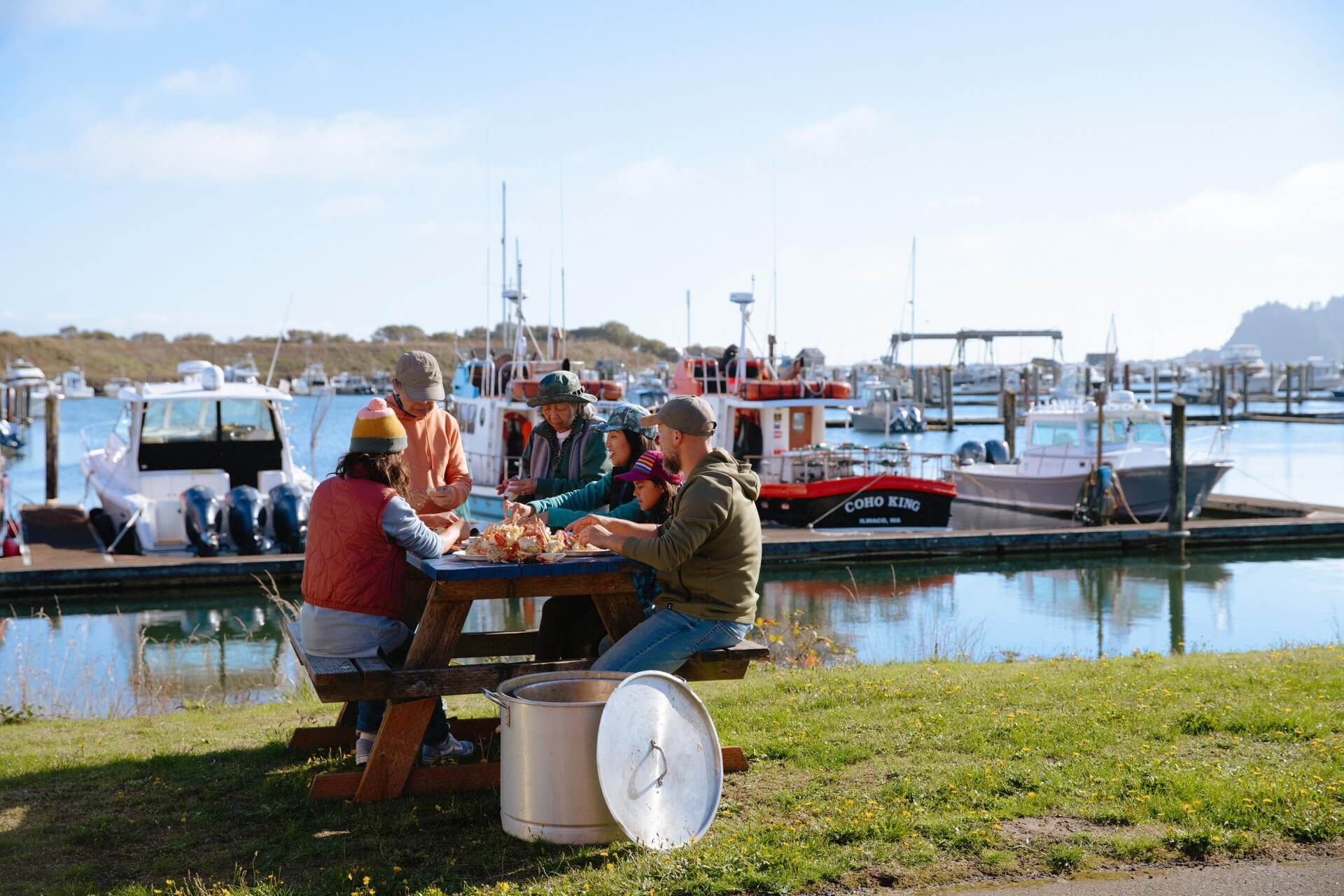
The tender, sweet meat of this prized Pacific Northwest delicacy is harvested from boats, piers, and beaches using crab pots or ring nets. Along the Pacific Coast, rent gear from Seafood Connections, a floating seafood market in the Westport Marina, and set up your traps right off the pier.
Boaters can drop pots on the west side of tiny Jetty Island near Everett, while Ilwaco offers boat and shore crabbing at the mouth of the Columbia River. Shoreline crabbers can also scour the shallow flats of Birch Bay north of Bellingham.
For guided crabbing, let Waters West Guide Service take care of the logistics for trips in Willapa Bay, Grays Harbor, and along the Columbia River. Alternatively, Hood Canal Adventures in Hoodsport rents kayaks and kayak-specific crabbing gear for a DIY trip. In October, Port Angeles on the Olympic Peninsula hosts the Dungeness Crab Festival, featuring a chowder-off, chef demonstrations, crab dinners, live music, and more.
Seasons, Licenses, and Regulations:
- Recreational crabbing seasons vary by marine area and are set annually by WDFW. Summer season generally begins in July, with additional fall or winter opportunities in some areas.
- Puget Sound Dungeness crab requires a catch record card and crab endorsement card in addition to the standard license.
- Check both WDFW and DOH for open areas and safety info.
- Always use biodegradable escape cord on traps and follow other best practices to ensure you don’t lose your gear.
- Daily limits and minimum size requirements for male Dungeness crab vary by region.
Clams
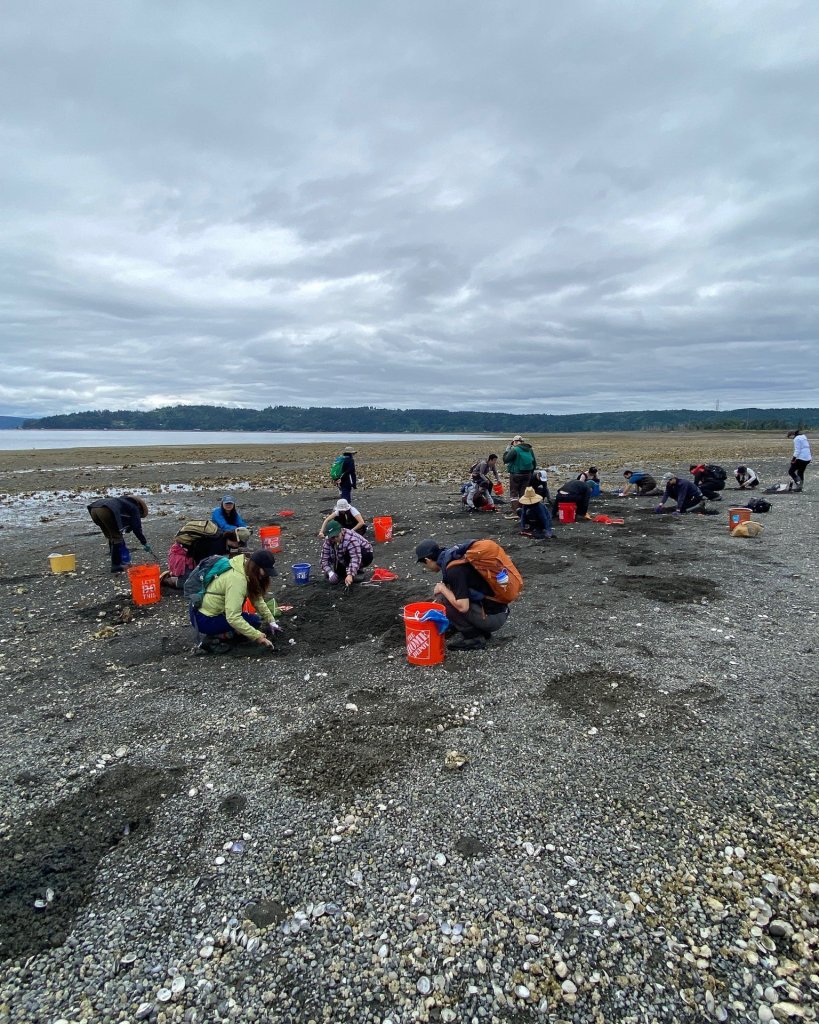
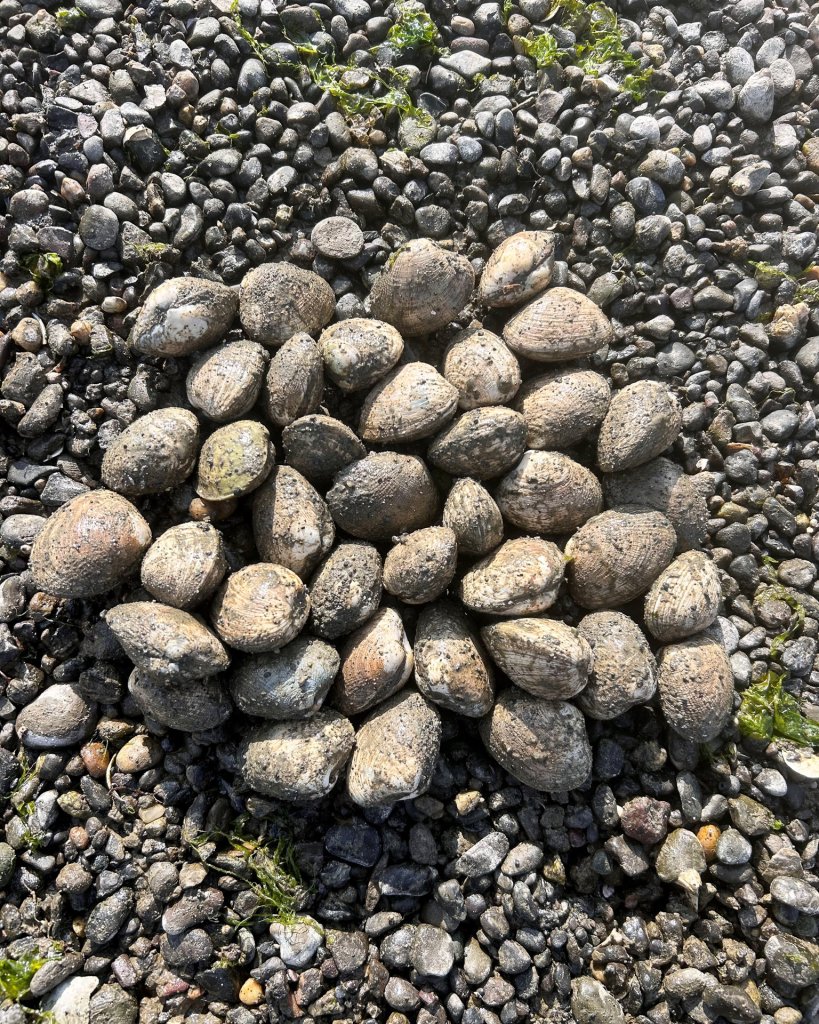
Dedicated clammers often trek out at low tide in the wee hours of the morning with headlamps and rubber boots to dig up tasty razor clams, butter clams, littlenecks, Manila clams, and more. Razor clams—quick-digging icons heralded for their meaty, delicious flavor—are a great way to easily experience shellfish harvesting in Washington.
The Long Beach Peninsula on Washington’s Evergreen Coast is a great family-friendly clamming spot with expansive, sandy shoreline. Each Spring, the Long Beach Razor Clam Festival celebrates the mollusk with a clam chowder taste-off, digging lessons, and live music. Westport draws clammers to the section of beach between Twin Harbors and the south jetty. Farther north along the Hidden Coast Scenic Byway, Ocean Shores hosts an annual Razor Clam and Seafood Festival, while Copalis Beach is open seasonally for razor clam digging.
In Hood Canal, Potlatch State Park is home to multiple clams and is one of the best places to harvest shellfish in Washington. Different sections will yield Manila, native littleneck, butter, varnish, and eastern softshell clams when open to harvest.
Seasons, licenses, and regulations:
- Razor clam season typically opens for select dates from October through April. WDFW schedules specific dig days. Harvest season varies for other clams.
- Check both WDFW and DOH for seasons and safety info, including closures related to marine biotoxins.
- A razor clam, combination fishing, or shellfish/seaweed license is required.
- The limit for razor clams is 15 per person. You must keep your first 15 razor clams, even if dead or broken. The limit for other species is 40 per person, plus seven horse clams and one geoduck (pronounced gooey-duck).
- Ensure your clam harvest meets minimum size requirements, which vary by species.
- Fill clamming holes after harvesting and place undersized or discarded clams back in the holes.
- Harvest clams during low tides.
- Learn more about harvesting clams via WDFW.
Also See: Family Fun on the Long Beach Peninsula
Mussels
Base yourself near Coupeville at the tranquil Captain Whidbey for easy access to harvest mussels at West Penn Cove (seasonal) or adjacent Twin Lagoons. For a hands-off experience, join other mussel lovers in Coupeville for the Penn Cove Musselfest in March. The event features a mussel-eating contest, chowder competition, chef demonstrations, and more. To the north on the mainland, Birch Bay State Park is another option for harvesting mussels.
Seasons, Licenses, and Regulations:
- View the harvesting seasons for individual beaches.
- Check beach health and closure status at WDFW and DOH before going.
- Plan your harvesting around low tide and avoid marinas and harbors.
- A combination fishing or shellfish/seaweed license is required.
- The limit is 10 pounds per person per day, with no size requirements.
Tips for Harvesting Shellfish in Washington
Before harvesting, check both WDFW for current seasons and regulations and the DOH Shellfish Safety Map for health-related closures and advisories. Please follow their safety and sustainability best practices for harvesting shellfish in Washington waters and ensure you are harvesting only on public land.
About the Author
Ellee Thalheimer is a freelance writer and guidebook author based in the Pacific Northwest. She contributes to publications like Lonely Planet Guidebooks, Alaska Airlines Magazine, and Adventure Cyclist Magazine. When she can’t get outside, she writes fiction, drinks local IPAs, and perfects her handstands.