
From whales breaching offshore to elk grazing in river valleys, Washington offers ample wildlife viewing opportunities. The state’s diverse landscapes support everything from marine mammals to migratory birds. Whether you’re exploring a coastal beach, hiking on an alpine trail, or driving a scenic byway, you just might spot some of Washington’s wildlife.
Wildlife is best enjoyed from a distance. For safety, never approach, feed, or attempt to touch animals, and always respect posted closures and viewing guidelines.
Top Wildlife Experiences in Washington
- Whale watching in the San Juan Islands and Salish Sea
- Winter birding in the Skagit Valley
- Salmon runs throughout the state
- Elk viewing on the Olympic Peninsula
- Sandhill crane migration near Othello
Where to See Wildlife in Washington
Looking for a specific animal? Here are some of the state’s best wildlife-viewing destinations.
- Orcas: The San Juan Islands and surrounding waters of the Salish Sea offer some of Washington’s best whale-watching opportunities.
- Roosevelt Elk: The Olympic Peninsula, particularly river valleys within and around Olympic National Park.
- Snow Geese and Trumpeter Swans: The Skagit Valley comes alive with migratory birds each winter.
- Sandhill Cranes: The Othello area and nearby wetlands of the Columbia Basin during spring migration.
- Mountain Goats: High-altitude alpine and subalpine environments across the North Cascades.
- Moose: Forests, lakes, and wetlands of northeast Washington.
- Salmon: Rivers and streams throughout the state, including popular viewing sites in Olympia and Issaquah.
- Black Bears: Forested landscapes across the Olympic Peninsula and Cascades.
- Wildlife refuges: Washington is home to multiple national wildlife refuges across the state.
Types of Wildlife in Washington
Marine Life
From the Salish Sea to the Pacific Coast, visitors can view whales, seals, starfish, and a variety of other marine creatures.
Whales
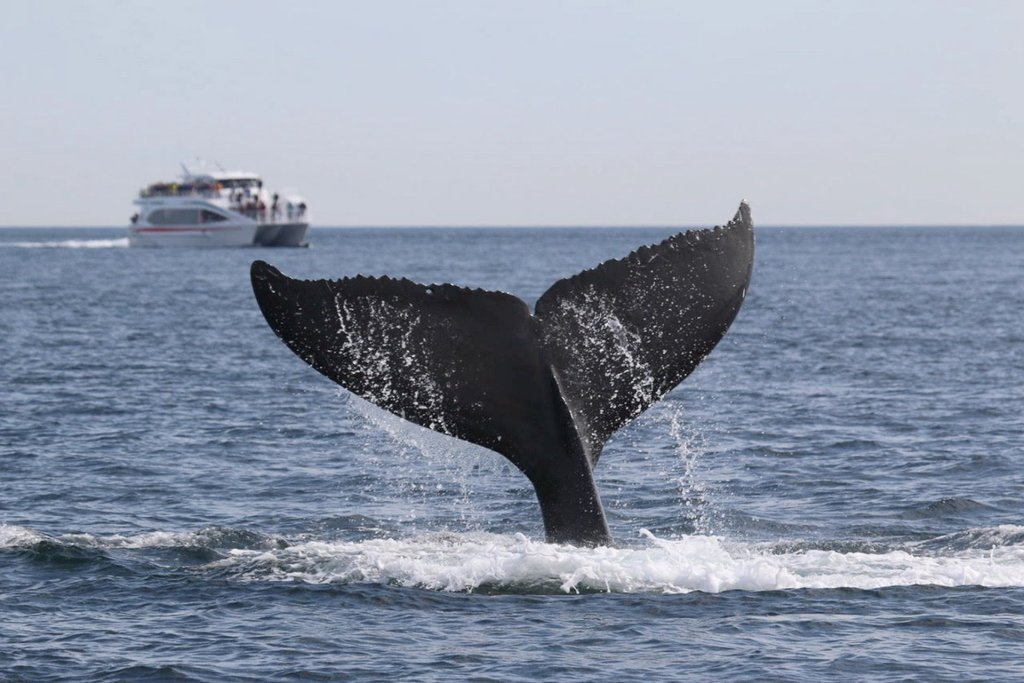
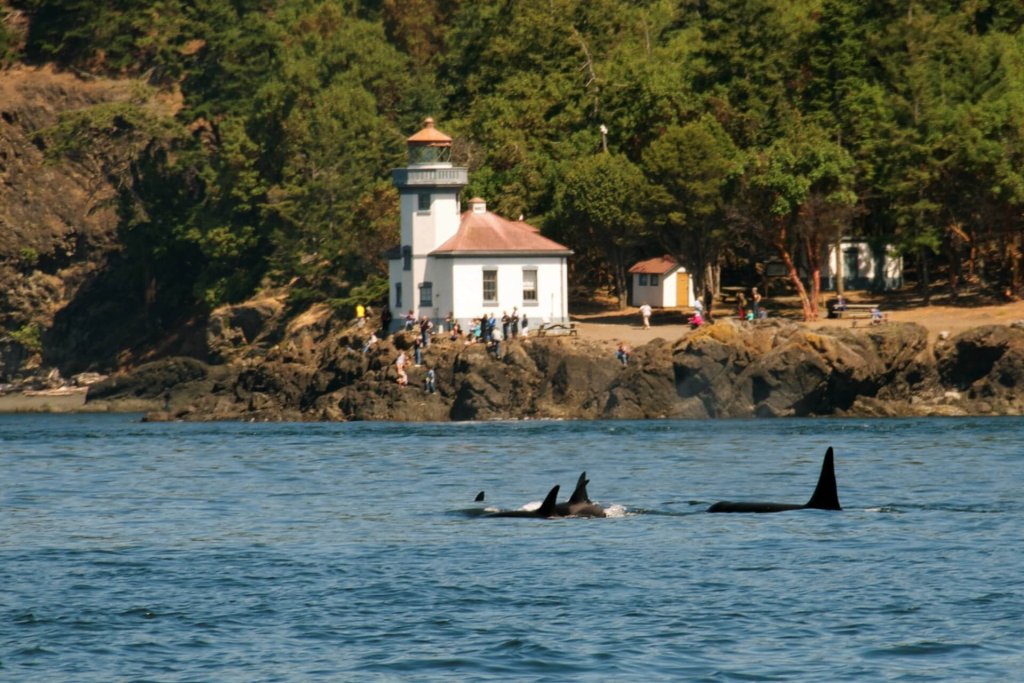
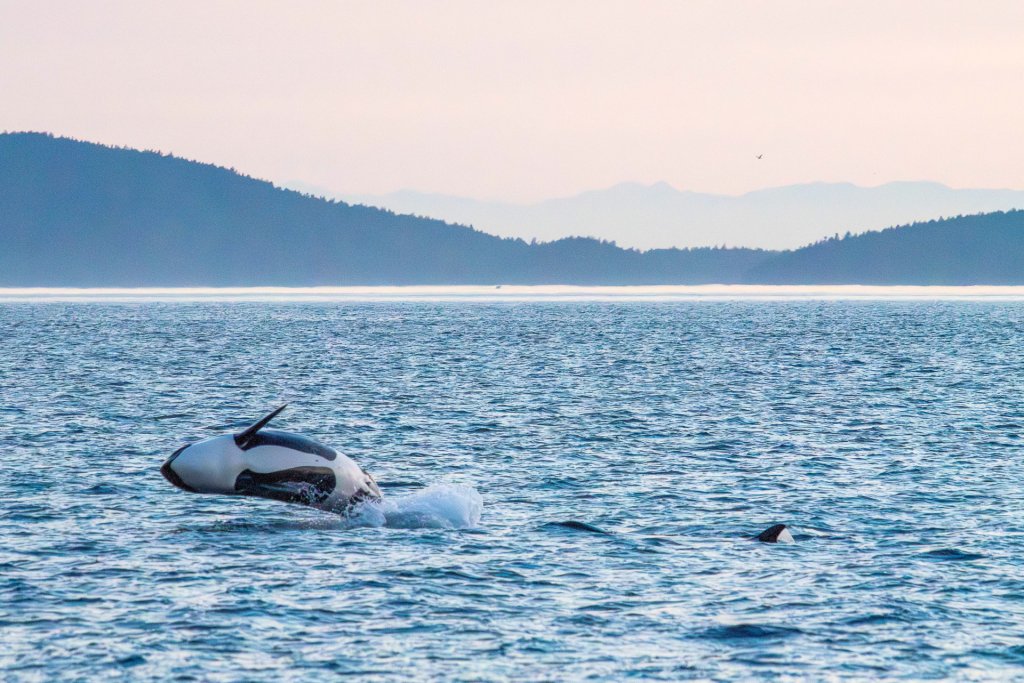
Washington is known for its resident pods of black-and-white orca whales. Several pods frequent the Salish Sea, particularly around the San Juan Islands. In addition to orcas, gray whales can often be spotted during the spring migration, while humpback sightings have become increasingly common. Visitors can join whale-watching tours or watch from shore in places like San Juan Island, the Olympic Peninsula, and Deception Pass.
Seals and Sea Lions
Visitors can often spot harbor seals and sea lions resting on rocky shorelines, sandbars, and docks along waterfronts and marinas. The San Juan Islands, Hood Canal, the Washington Coast, and the Columbia River are among the state’s best places to see them. Harbor seals can be spotted year-round, while sea lion numbers often peak during fall and winter as salmon return to Washington’s rivers.
Salmon
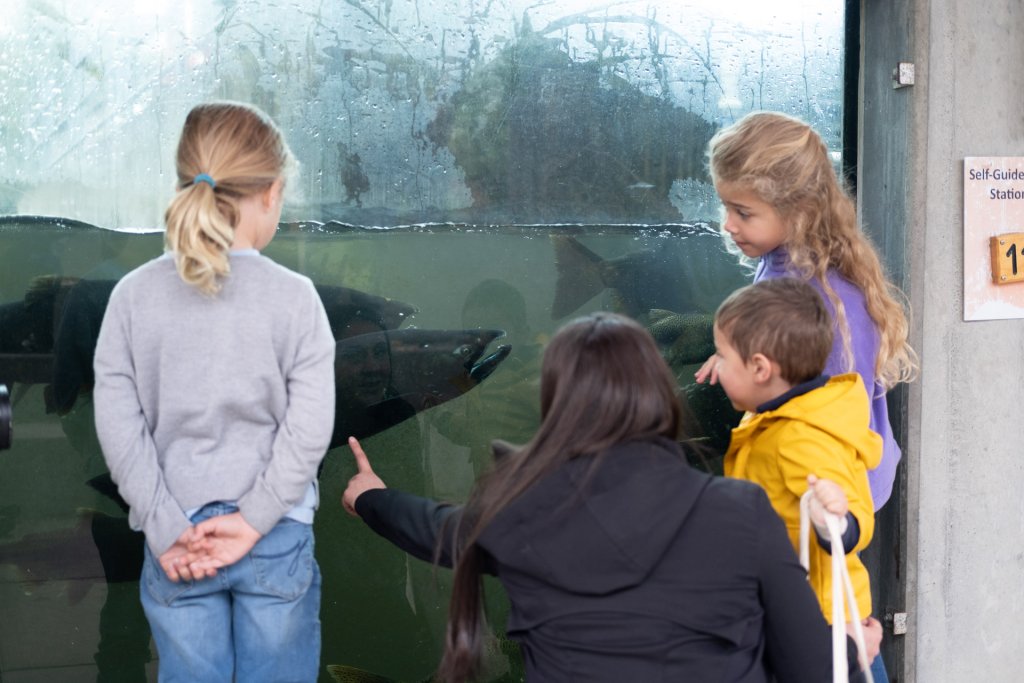
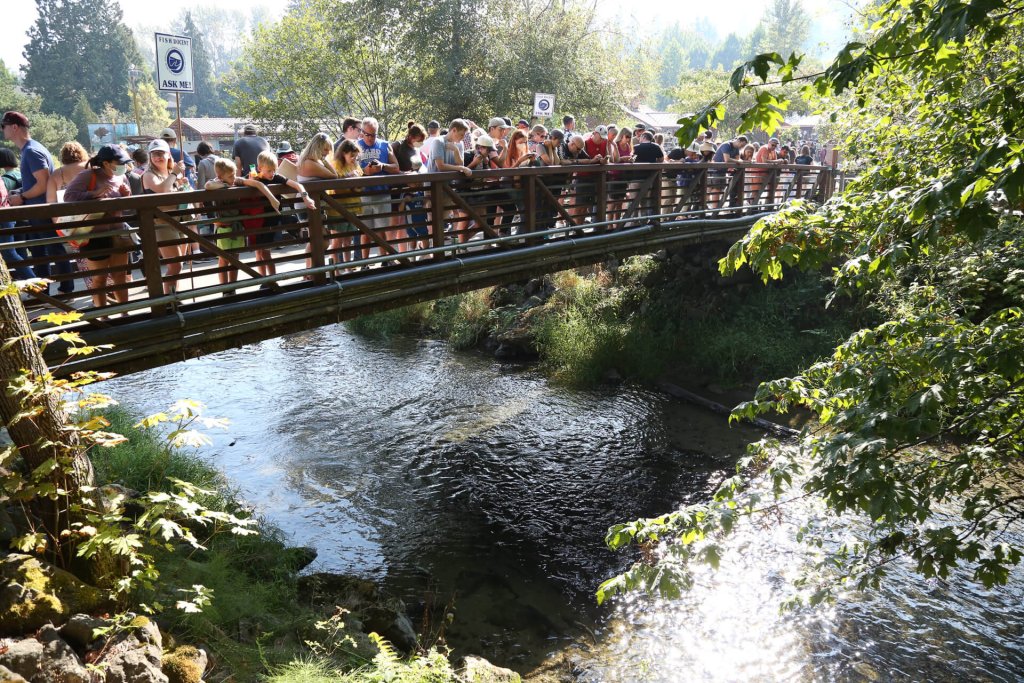
Each fall, salmon return from the ocean to spawn in the streams and rivers where they were born. Popular viewing locations include the Salmon Cascades Overlook near the Sol Duc River and fish ladders and hatcheries throughout the state, such as those in Issaquah and Olympia.
Tidepool Creatures
Low tide reveals a fascinating underwater world along Washington’s rocky beaches. Tide pools are home to colorful starfish, sea anemones, crabs, and other small marine life.
Giant Pacific Octopus
The giant Pacific octopus, the largest octopus species in the world, can be found in Puget Sound. While most visitors won’t encounter one, scuba divers can occasionally spot them. See one up close and learn about their importance to the local ecosystem at the Seattle Aquarium.
Birds
Washington’s location along the Pacific Flyway makes it a prime destination for birdwatching. Visitors can set out along the Audubon’s Great Washington State Birding Trail, which features seven routes through different regions.
Bald Eagles
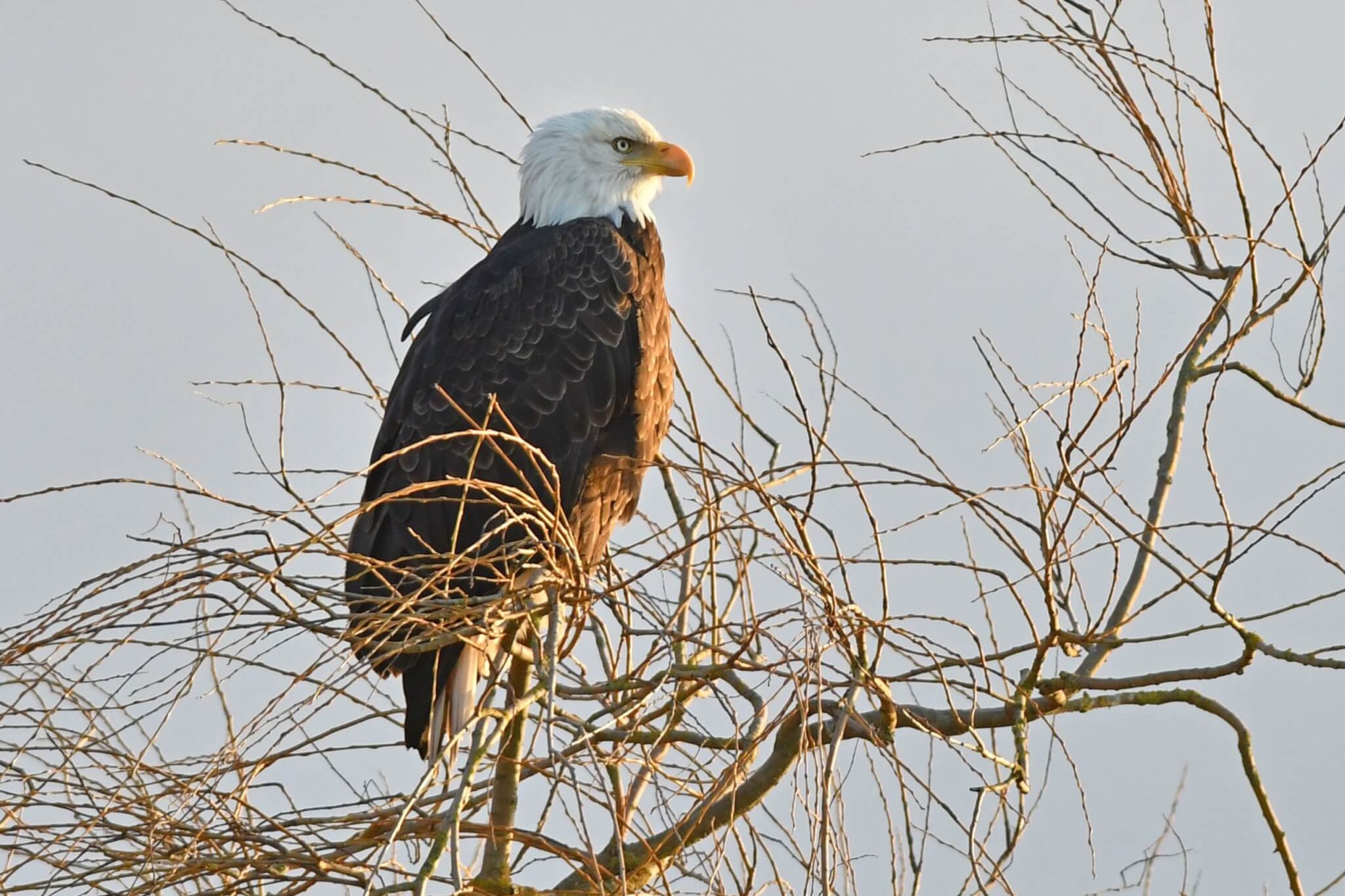
Bald eagles can be found throughout Washington year-round. Winter is an especially good time to see them, particularly along the Skagit River and other waterways where salmon attract large numbers of birds.
Sandhill Cranes
Every spring, thousands of sandhill cranes stop in central Washington during their annual migration. Visitors can witness this remarkable event near Othello and the surrounding wetlands during the annual Sandhill Crane Festival.
Snow Geese and Trumpeter Swans
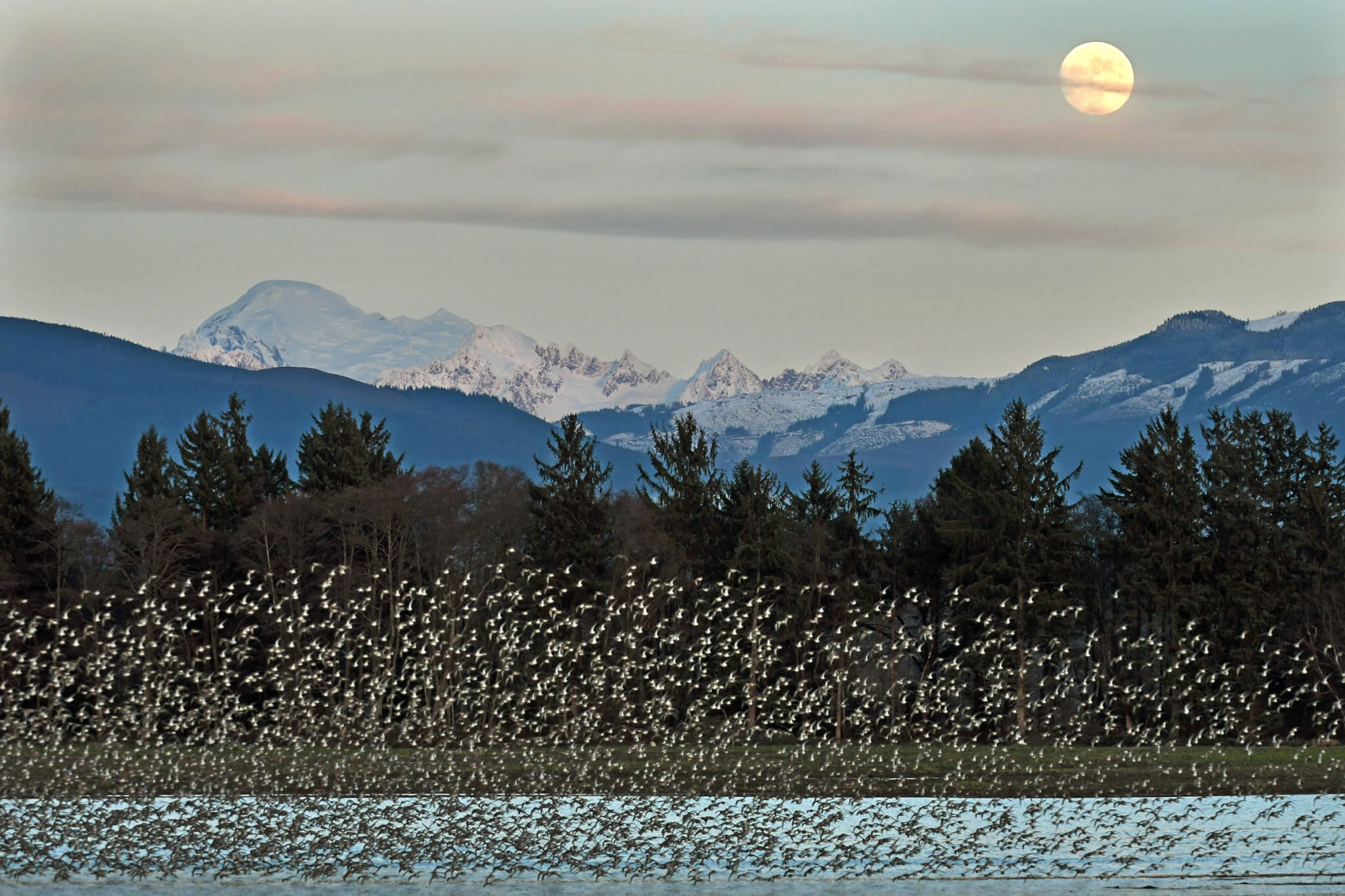
Each winter, tens of thousands of snow geese and trumpeter swans gather in the fields, wetlands, and estuaries of the Skagit Valley. Photographers and birders both flock to the area to see fields blanketed in birds.
Land Mammals
Washington’s forests, mountains, grasslands, and river valleys support a wide variety of wildlife.
Roosevelt Elk
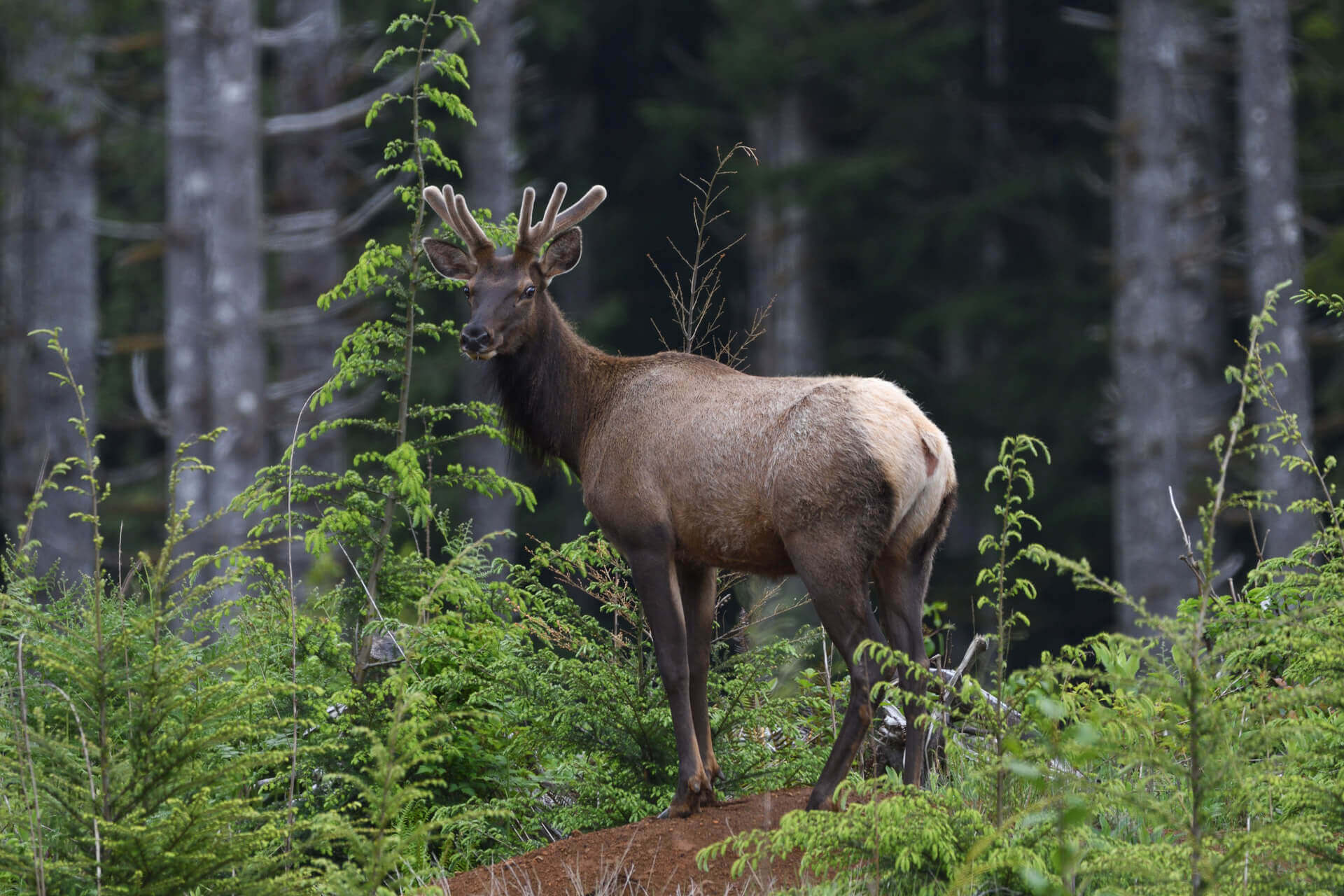
Washington is home to Roosevelt elk, the largest elk subspecies in North America. Herds are often seen grazing in open meadows and river valleys, particularly in and around Olympic National Park.
Deer
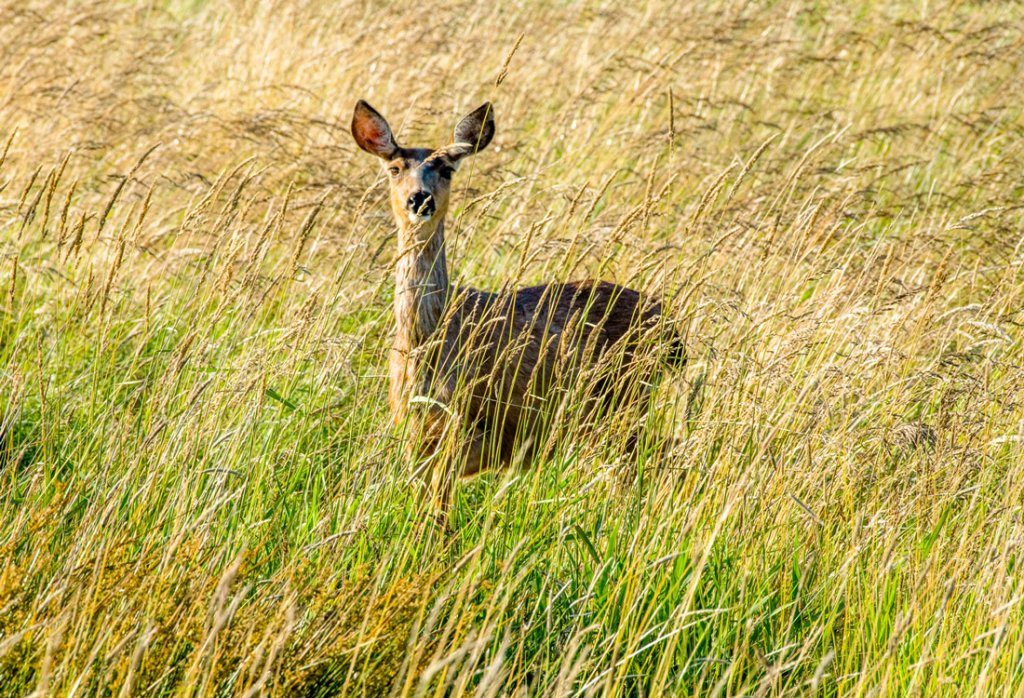
Black-tailed deer and mule deer are among Washington’s most common wildlife. Spot black-tailed deer in Western Washington, while mule deer are more frequently found in the eastern parts of the state.
Moose

Washington’s moose population is concentrated in the northeastern part of the state. Wetlands, lakes, and forested valleys in Pend Oreille, Stevens, and Ferry counties offer some of the best opportunities for sightings.
Black Bears
Black bears inhabit forests and mountain regions throughout Washington. Visitors can occasionally spot bears in national parks, wilderness areas, and forested landscapes during the warmer months.
Mountain Goats
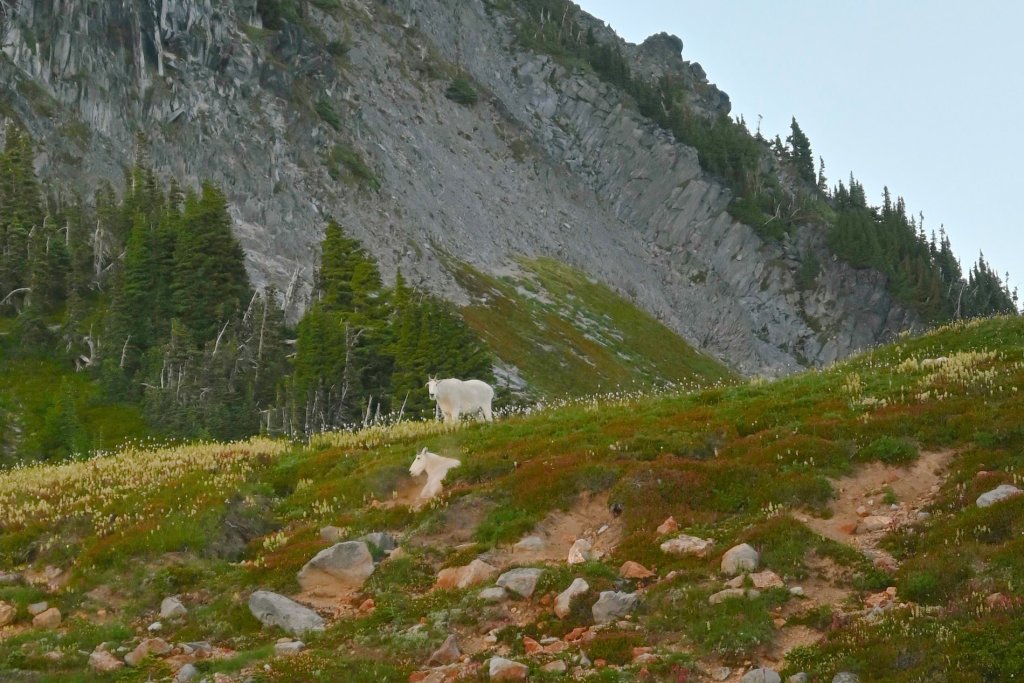
Mountain goats thrive in Washington’s alpine environments. Look for them on rocky slopes and ridgelines in the Cascade Mountains.
Wildlife Safety and Responsible Viewing
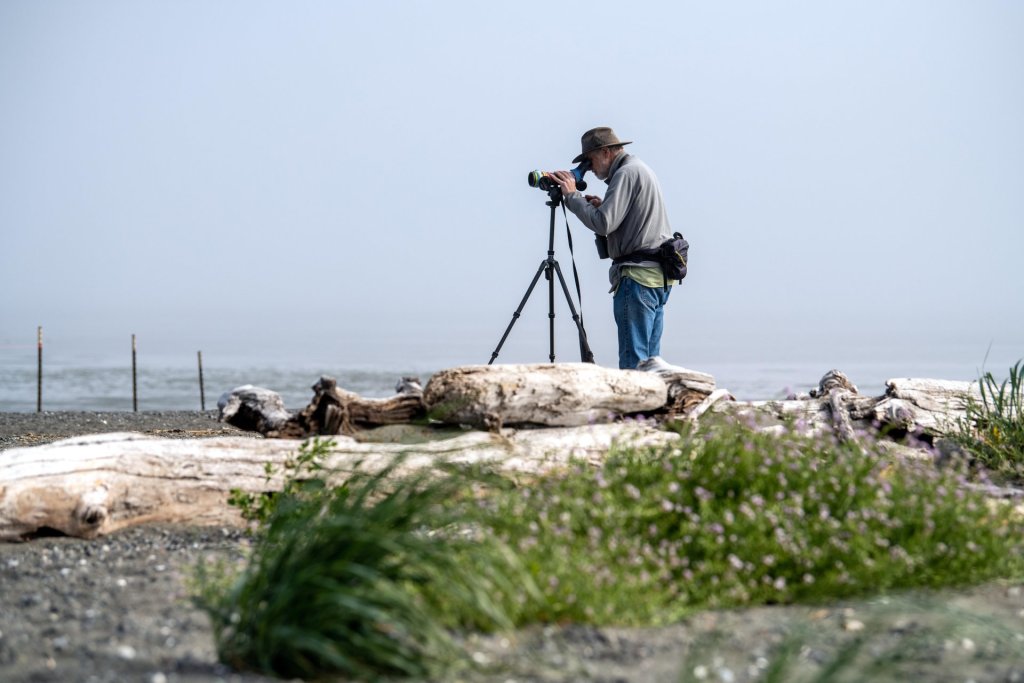
Spotting wildlife is often the highlight of a trip, but it’s important to give animals plenty of space. Always observe wildlife from a safe distance, never feed animals, and use binoculars or a camera zoom lens rather than approaching for a closer look.
Keep pets leashed, stay on designated trails, and be mindful of your surroundings when hiking or exploring natural areas. Respecting wildlife helps protect both animals and visitors. Find tips for safely viewing wildlife.
Wildlife Viewing FAQs
What wildlife is Washington State known for?
Washington State is known for orca whales, salmon, bald eagles, elk, snow geese, and a variety of marine mammals and migratory birds.
Where can I see whales in Washington?
The San Juan Islands are one of the most popular whale-watching destinations in the state. Visitors can also look for whales along the Olympic Coast and the Puget Sound. Find more whale-watching tours and destinations.
When is the best time to see wildlife in Washington?
Wildlife viewing opportunities exist year-round. Winter brings migratory birds, spring through early fall is the best time to see whales, summer is best for alpine wildlife, and fall brings salmon runs.
Can I feed wildlife?
No, especially large mammals such as elk and moose. Feeding wildlife can harm animals, alter natural behaviors, and create unsafe situations.
What should I bring for wildlife viewing?
Binoculars, a camera with a zoom lens, weather-appropriate clothing, and a field guide can help make wildlife-viewing experiences more enjoyable.